Active smart cat breeds can be joyful companions for owners who want movement, games, and training. They can also overwhelm a quiet home that expected a decorative lap cat. Bengal, Abyssinian, Siamese, Oriental Shorthair, Burmese, Tonkinese, Ocicat, Savannah, and Japanese Bobtail cats often need daily play, climbing, puzzle feeding, and social contact. A bored intelligent cat may invent its own entertainment.
High-energy explorers
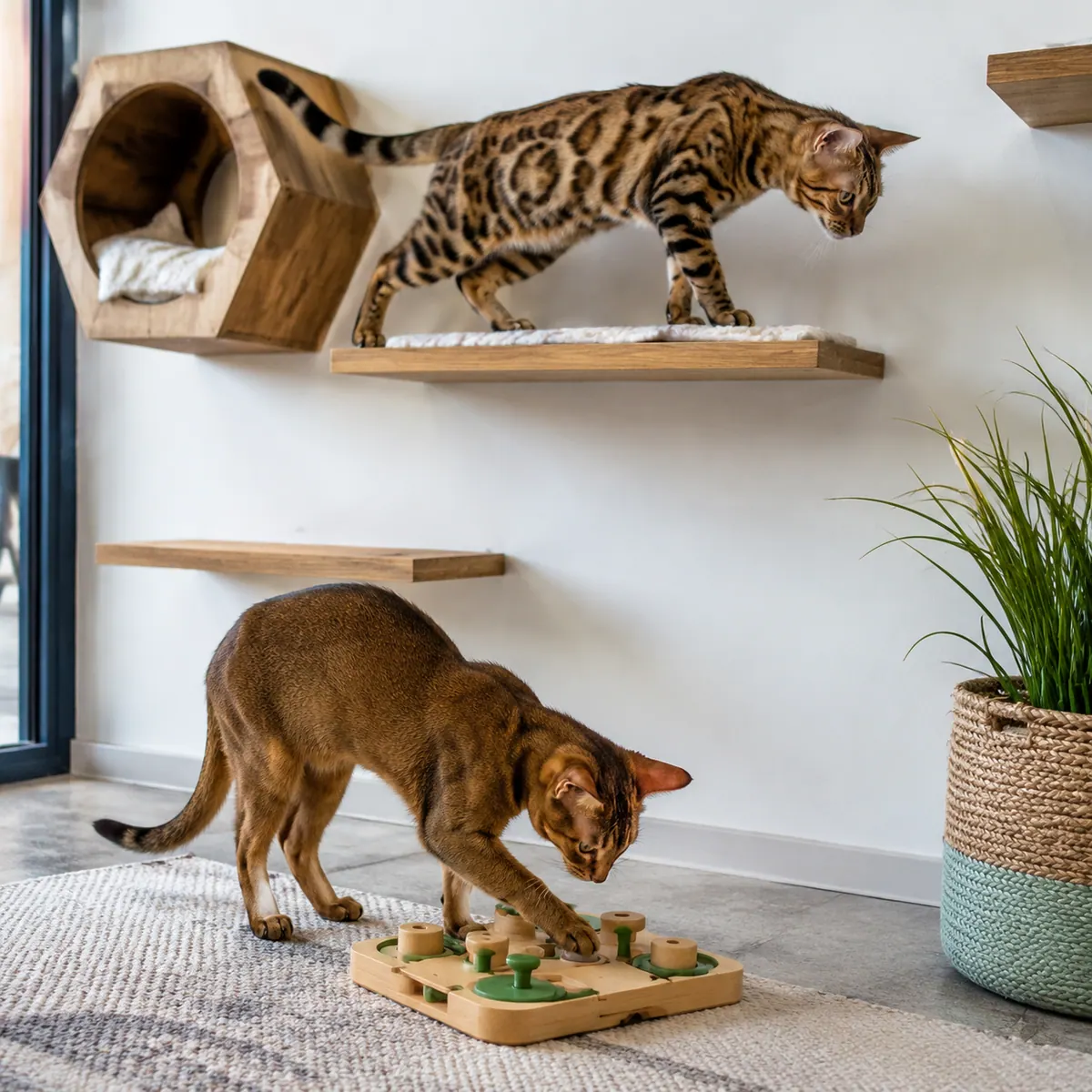
Bengals are known for athletic bodies, vivid spotted or marbled coats, and curiosity. They need space to climb, chase, and problem-solve. Secure windows, sturdy cat trees, water-safe supervision, and rotating toys help keep them busy. Ask breeders about temperament, socialization, and health testing.
Abyssinians are busy, active, and affectionate, according to CFA's breed overview. They may not be classic lap cats, but they often want to be part of every household project. They suit people who enjoy a cat on shelves, desks, and shoulders. Ocicats and Egyptian Maus can appeal to similar owners who like athletic cats with striking coats.
Vocal thinkers
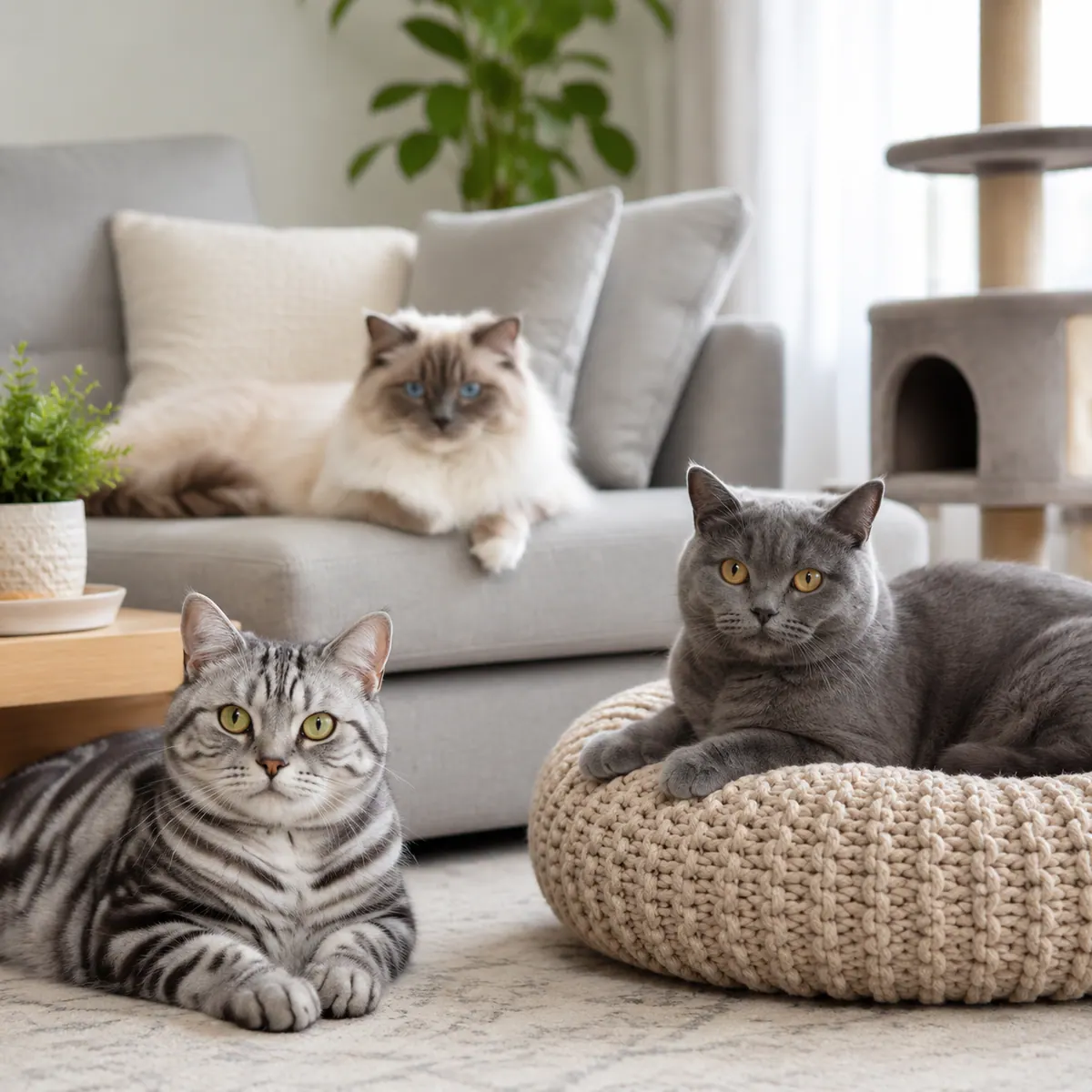
Siamese, Balinese, Oriental Shorthair, and Tonkinese cats are often social, vocal, and highly connected to people. They may follow owners, answer with loud opinions, and dislike long lonely days. These cats fit homes that enjoy conversation and routine play. They may struggle in a home where people want silence and independence.
Burmese cats are affectionate and people-oriented. They can learn games, seek laps, and ask for attention. Their social needs matter. A Burmese that receives little interaction may become demanding or bored.
Training and enrichment
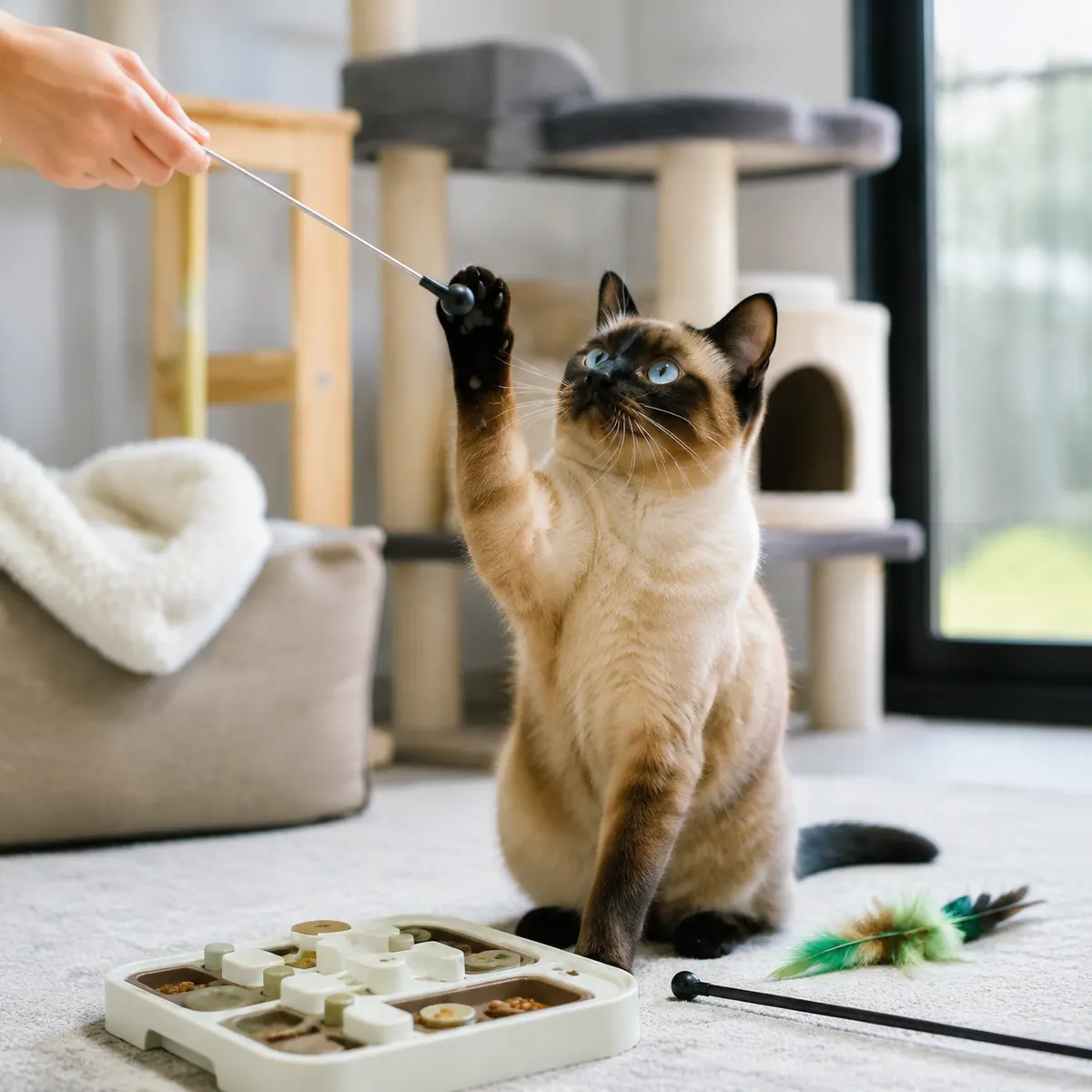
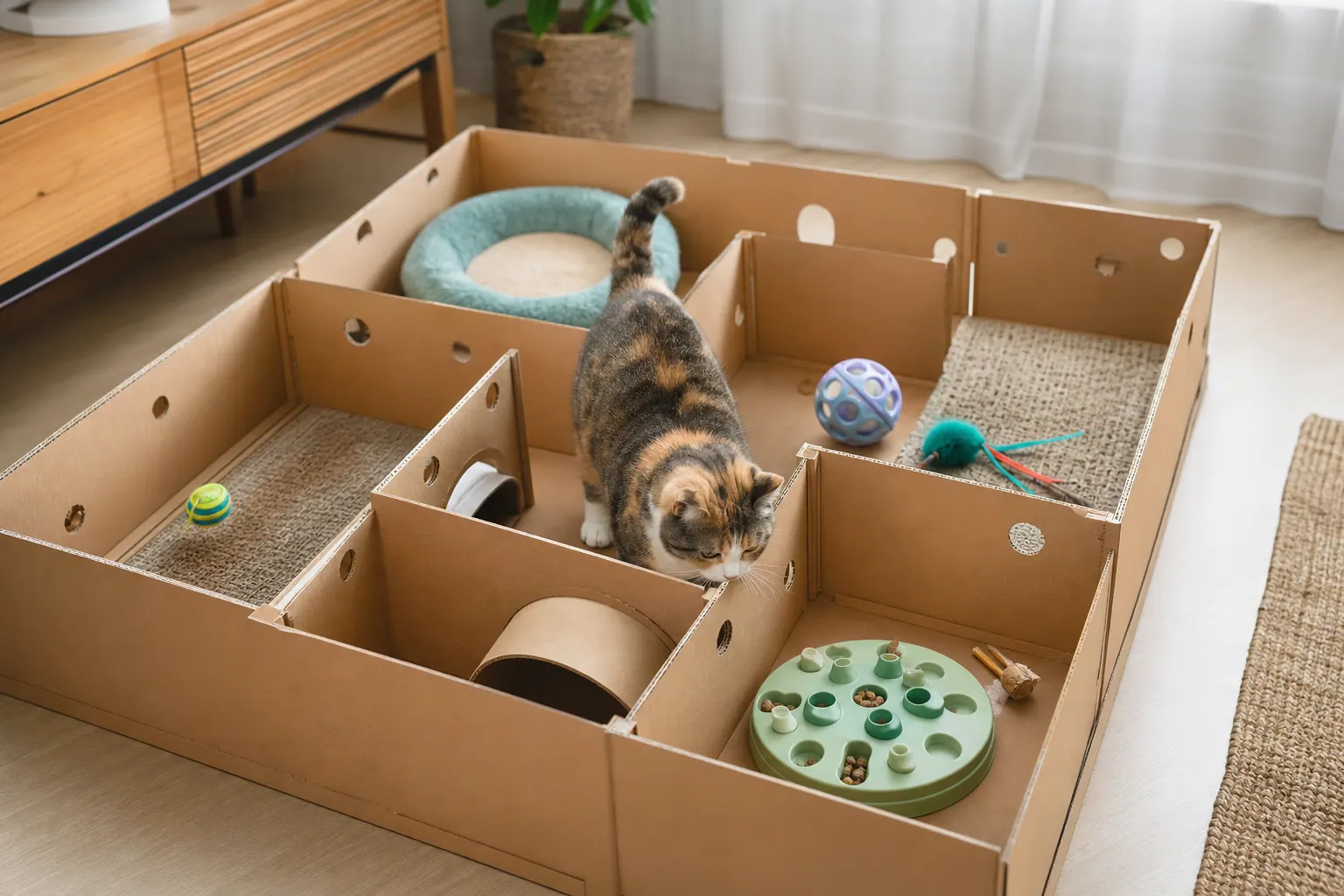
Active smart cat breeds do well with clicker training, target sticks, puzzle feeders, fetch, tunnels, climbing walls, and scent games. Teach practical skills: carrier entry, nail trim cooperation, stationing on a mat, and coming when called. Keep sessions brief. Reward effort and stop while the cat still wants more.
Food puzzles help turn meals into activity. Wand toys should move like prey, with pauses, hiding, and bursts. End play with a small meal or treat. This pattern can reduce night racing and attention-seeking.
Health and owner fit
Athletic cats still need weight control. Lean muscle is not the same as unlimited food. Jumping cats need safe landing spaces. Tall furniture should be stable. Hybrid or wild-looking breeds require extra research, local legal awareness, and ethical breeder scrutiny.
Active smart cat breeds are best for owners who like involvement. They need time, not only toys. A good match is an owner who smiles when the cat opens a cabinet, learns a trick, or asks for another game. If that sounds tiring, a calmer breed or adult rescue with a known personality may be a kinder choice.
A daily enrichment plan should include height, chase, food search, and rest. Height can be a cat tree, shelves, or a safe window perch. Chase can be a wand toy moved in short bursts with pauses. Food search can be a puzzle feeder or hidden kibble trail. Rest means quiet spaces where the cat is not handled.
Owners should prepare for problem solving. Smart cats may open cabinets, steal food, turn faucets, or learn which drawer holds treats. Child locks, covered trash, secured cords, and closed laundry rooms protect both the cat and the home. Training is not optional for many active breeds. It is how the household gives the cat a safe job.
These cats may also need social planning. Long workdays can be hard on Siamese-type cats, Burmese, and Bengals. A compatible cat companion may help some homes, but it can also double the management work. Choose a pair only after thinking about space, budget, and introductions.
Breed clubs can help owners understand normal activity levels before adoption. Speak with breeders, rescue volunteers, and veterinarians about the line you are considering. A cat that needs two play sessions a day is wonderful only when that time is truly available.
Owners who enjoy teaching tricks often thrive with these breeds. Train practical behaviors before flashy ones: stepping onto a scale, entering a carrier, waiting at a door, and touching a target. Those skills make veterinary care and daily management easier.
Sources: CFA https://cfa.org/breeds/ AAHA/AAFP https://www.aaha.org/resources/2021-aaha-aafp-feline-life-stage-guidelines/