Best cat breeds for beginners are not only cute or famous. The better question is whether the cat's energy, grooming needs, social style, and health risks fit the household. A calm apartment owner, a busy family, and a playful remote worker may need different cats. Breed can guide expectations, while each individual cat still deserves attention as a unique animal.
Easygoing beginner breeds
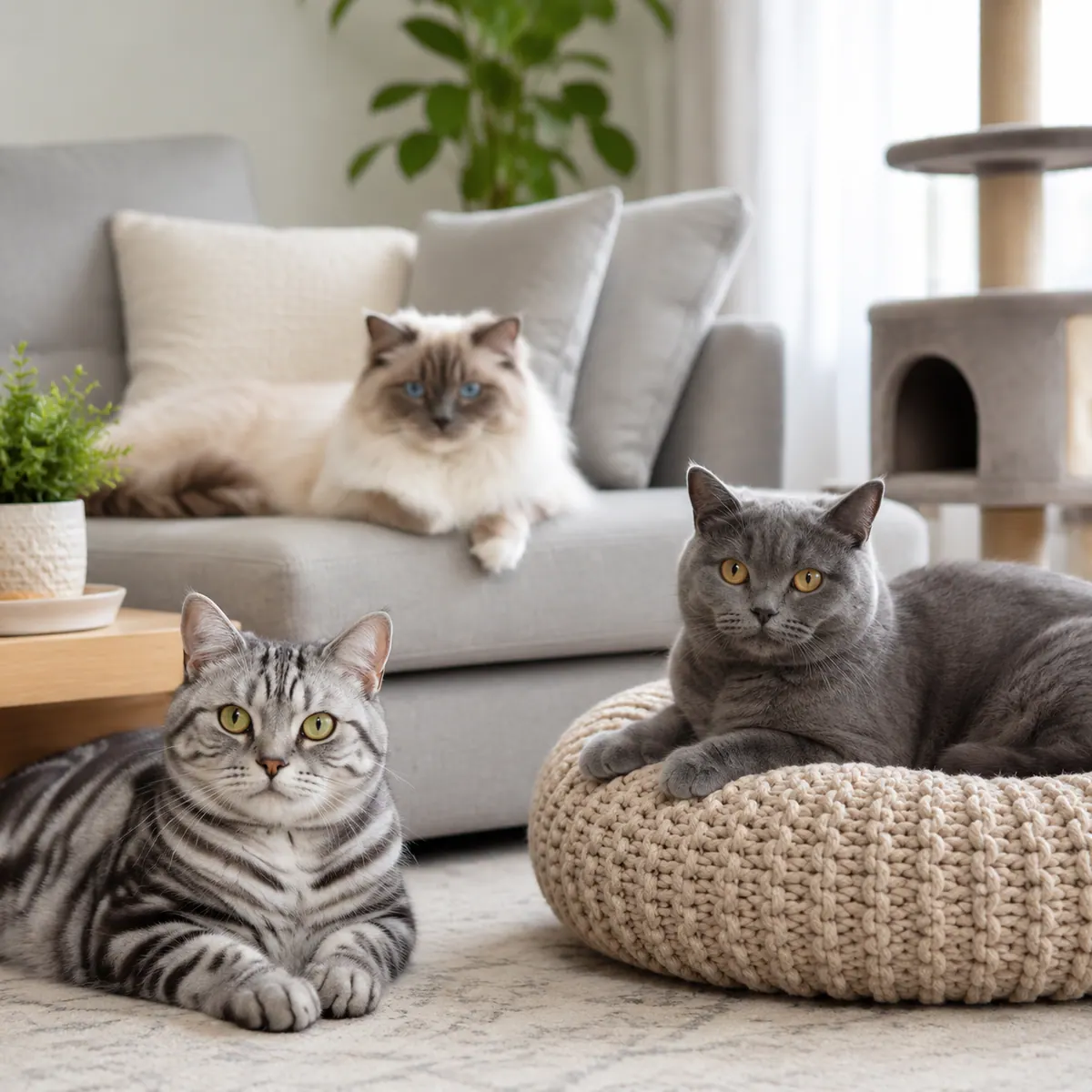
The American Shorthair is a strong starting point for many homes. CFA describes the breed as even-tempered, and that balance can help new owners learn feeding, litter care, grooming, and play without extreme demands. The British Shorthair is another steady choice. Its plush coat needs brushing, but the personality is often calm and quiet. These cats suit owners who want companionship without constant high-speed activity.
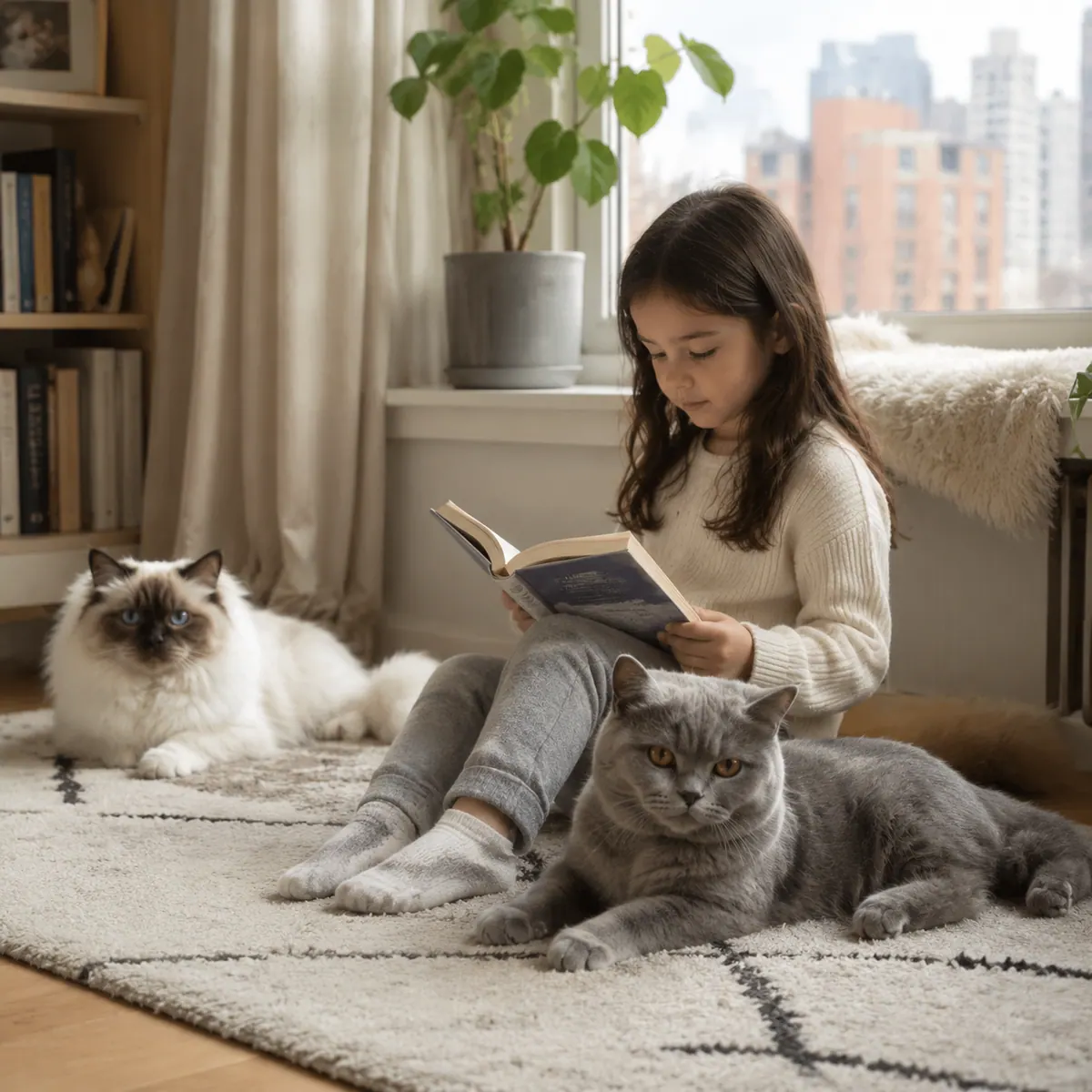
Ragdolls are popular with beginners who want a gentle, people-oriented cat. They often enjoy following family members and resting nearby. Their semi-long coat needs regular combing, and their relaxed nature should not be mistaken for low care. They still need play, safe handling, weight control, and routine veterinary checks.
Affectionate family breeds
Birmans, Burmese, and Bombay cats can appeal to owners who want social cats. Birmans bring a soft long coat that is often easier to manage than a dense Persian coat. Burmese and Bombay cats tend to be people-oriented, playful, and affectionate. These breeds may feel lonely if left without attention for long stretches, which makes them better for homes with daily interaction.
Maine Coons can be wonderful beginner cats when the owner is ready for size, food costs, grooming, and climbing space. They are large, social cats with a rugged coat. Ask breeders about heart screening, since hypertrophic cardiomyopathy is a known concern in several breeds, including Maine Coons and Ragdolls.
Care points before choosing
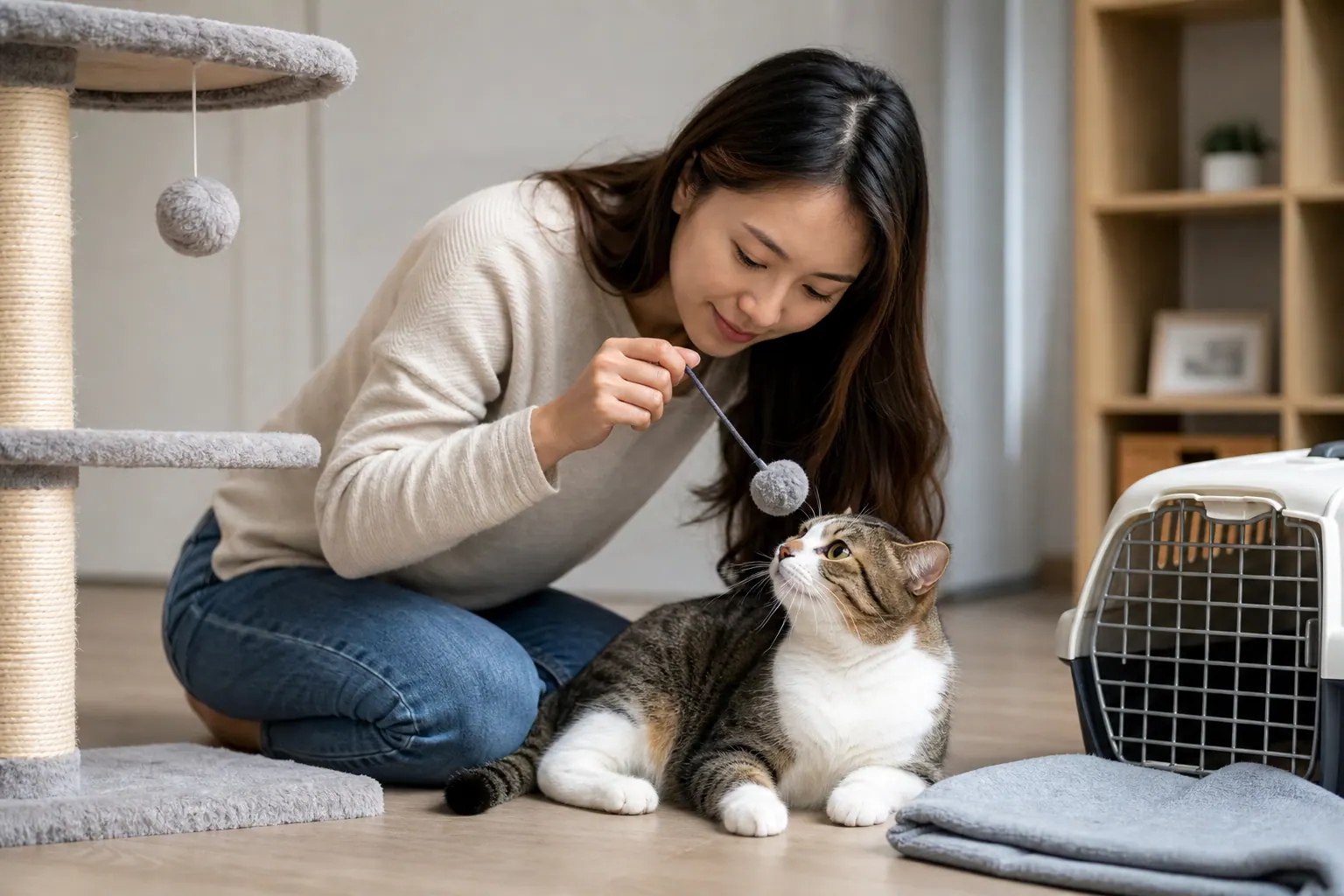
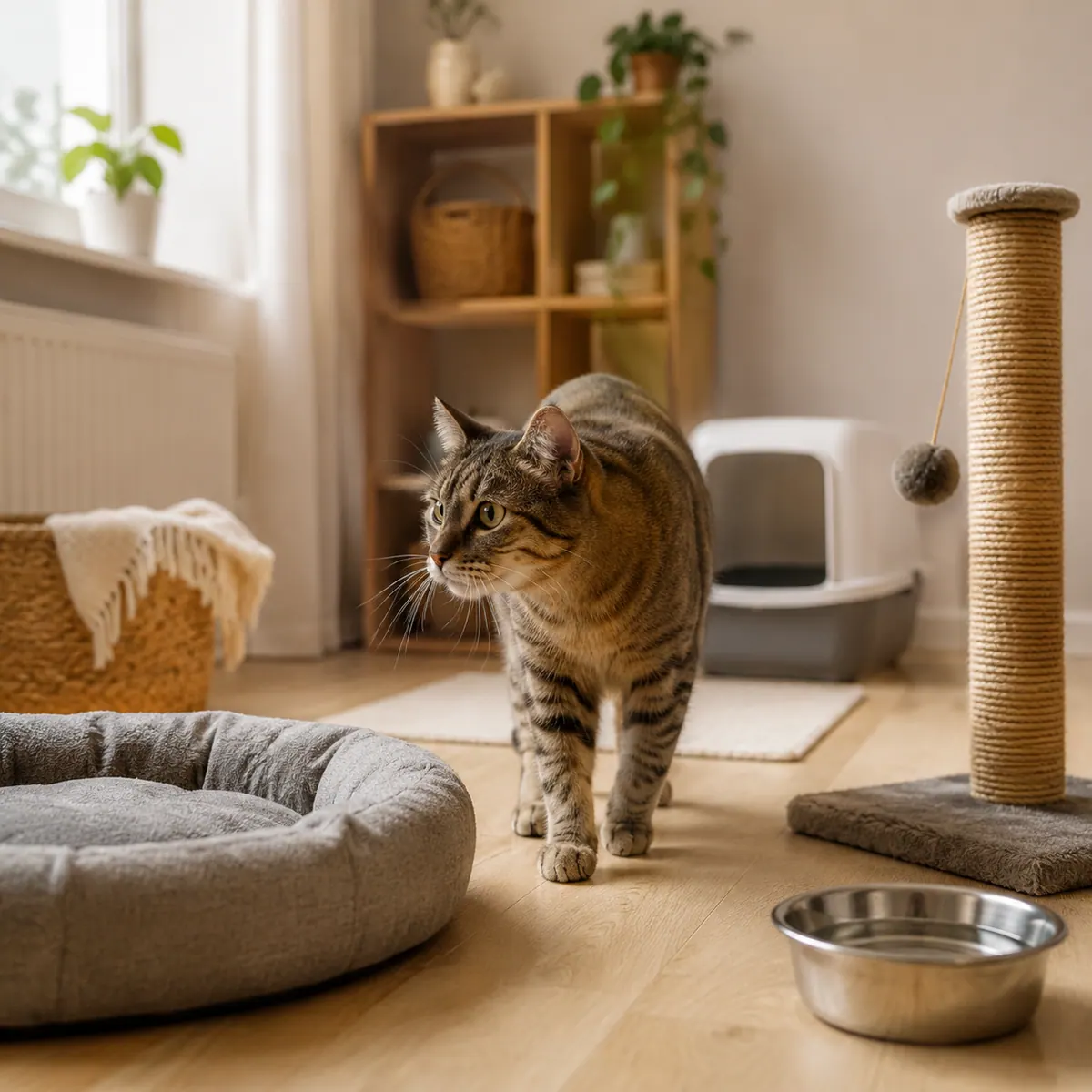
A beginner should look beyond temperament. Long coats mean combing. Flat faces may mean tear staining, dental crowding, or breathing concerns. Large breeds may need bigger carriers, sturdy trees, and careful weight management. Vocal breeds may be charming to one person and tiring to another. Active breeds may need daily puzzle feeders and wand play.
Health questions matter. Ask for veterinary records, vaccination status, parasite control, genetic screening when relevant, and the breeder's policy on inherited disease. For adoption, ask the shelter what staff have observed about handling, litter habits, play style, and comfort around people.
Best fit by owner type
Quiet homes may enjoy British Shorthairs, Persians from responsible lines, or older mixed-breed cats. Families may enjoy Birmans, Ragdolls, American Shorthairs, and Maine Coons when children learn gentle handling. Owners who work from home may enjoy Burmese, Bombay, or Siamese-type cats if they want daily conversation and play.
The best cat breeds for beginners are the ones whose needs feel realistic every week. Choose a cat you can groom, feed, enrich, insure, transport, and care for during illness. A good match is not the easiest cat on a list. It is the cat whose real needs fit the real home.
Adoption age can change the match. A kitten from any breed needs supervision, training, and patience. An adult cat may already show whether it enjoys children, tolerates brushing, or prefers a quiet room. For many new owners, an adult American Shorthair type, Ragdoll, Birman, or mixed-breed cat with a known shelter profile may be easier than a tiny kitten from a famous breed.
Budget also belongs in the breed decision. Long coats need grooming tools and possible professional help. Large breeds need larger supplies. Breeds with known inherited risks may need screening, insurance, or specialist care. The best cat breeds for beginners are not the cheapest or rarest. They are the cats whose needs remain manageable after the excitement of adoption fades.
Visit the cat at a normal time of day if possible. Watch whether it recovers from noise, accepts gentle handling, uses the litter box, and engages with toys. A beginner-friendly breed still needs an individual temperament check. Ask what the cat does when ignored, when brushed, and when carried in a carrier.
If two breeds both look suitable, choose the cat with the clearer care history and calmer response to handling.
Sources: CFA https://cfa.org/breeds/ AAHA/AAFP https://www.aaha.org/resources/2021-aaha-aafp-feline-life-stage-guidelines/