A cat adoption guide should begin with fit, not impulse. A beautiful photo may start the search, but daily life decides whether the match works. The right cat for a quiet apartment may differ from the right cat for a busy family, a remote worker, or a home with another pet. Adoption works best when people ask honest questions about time, money, noise, grooming, energy, and long-term care.
Choose by lifestyle
Think about the home before meeting cats. A kitten needs supervision, social learning, frequent play, and patience with training. An adult cat may arrive with clearer preferences around handling, children, other pets, and noise. A senior cat can be a calm companion for a steady home, while still needing medical planning and easy access to litter, food, and resting spots.
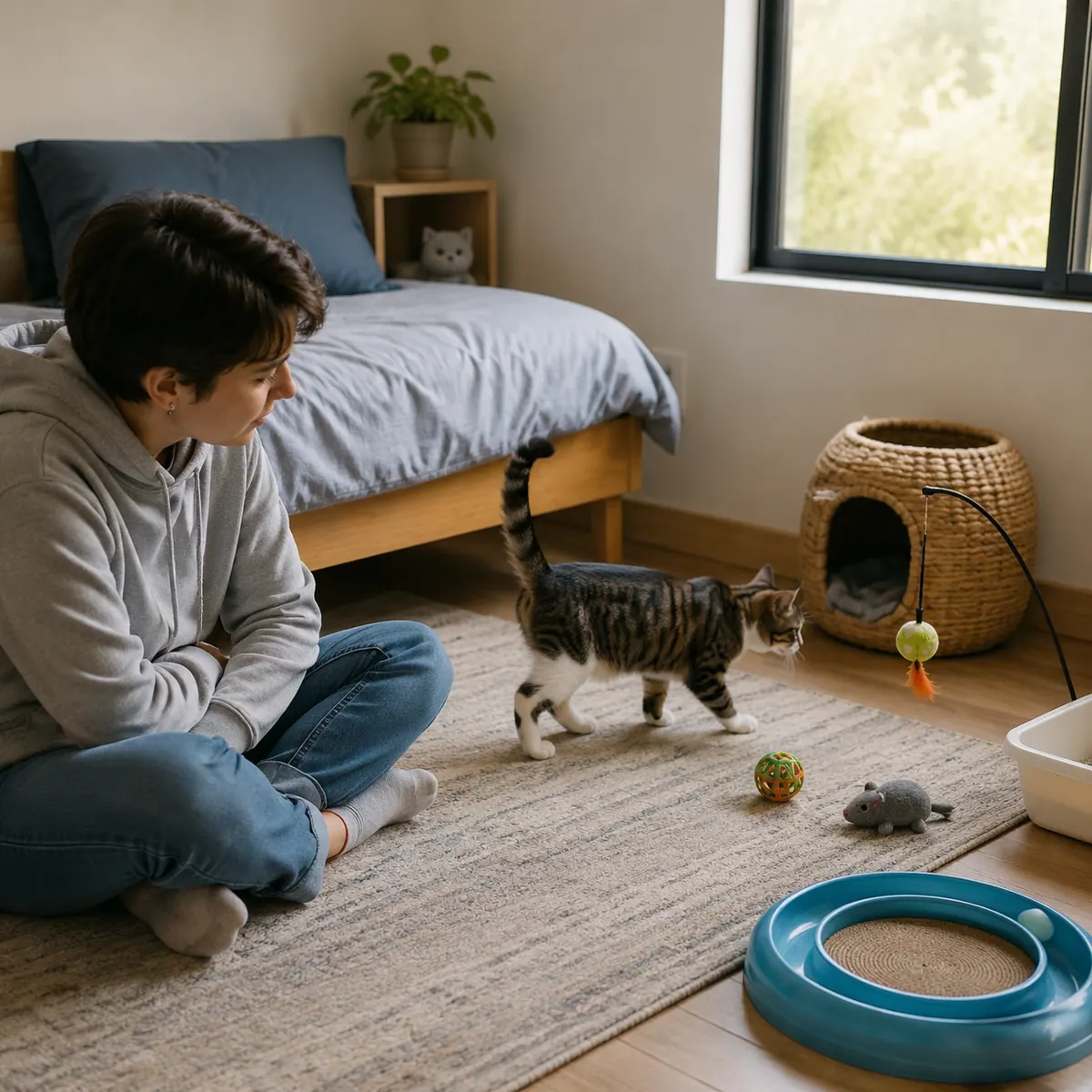
Energy matters. A playful cat may need climbing space, puzzle feeders, and two active play sessions each day. A shy cat may need quiet rooms, slow introductions, and visitors who can ignore the cat at the start. A social cat may dislike long lonely days. A cat that hides at the shelter may still become affectionate in a calm home, but the adopter needs patience.
Questions to ask the shelter
Ask what staff or foster caregivers have seen. Does the cat use the litter box reliably? Does the cat enjoy petting, brushing, being picked up, or play? Has the cat lived with children, dogs, or other cats? What food is the cat eating? Are vaccines, parasite control, spay or neuter status, microchip details, and medical records available?
Health history should not scare adopters away, but it should shape the plan. Dental disease, allergies, urinary issues, obesity, and chronic medication can be manageable when owners know the cost and routine. Ask what follow-up care is expected and whether a veterinary visit is recommended soon after adoption.
Prepare the home
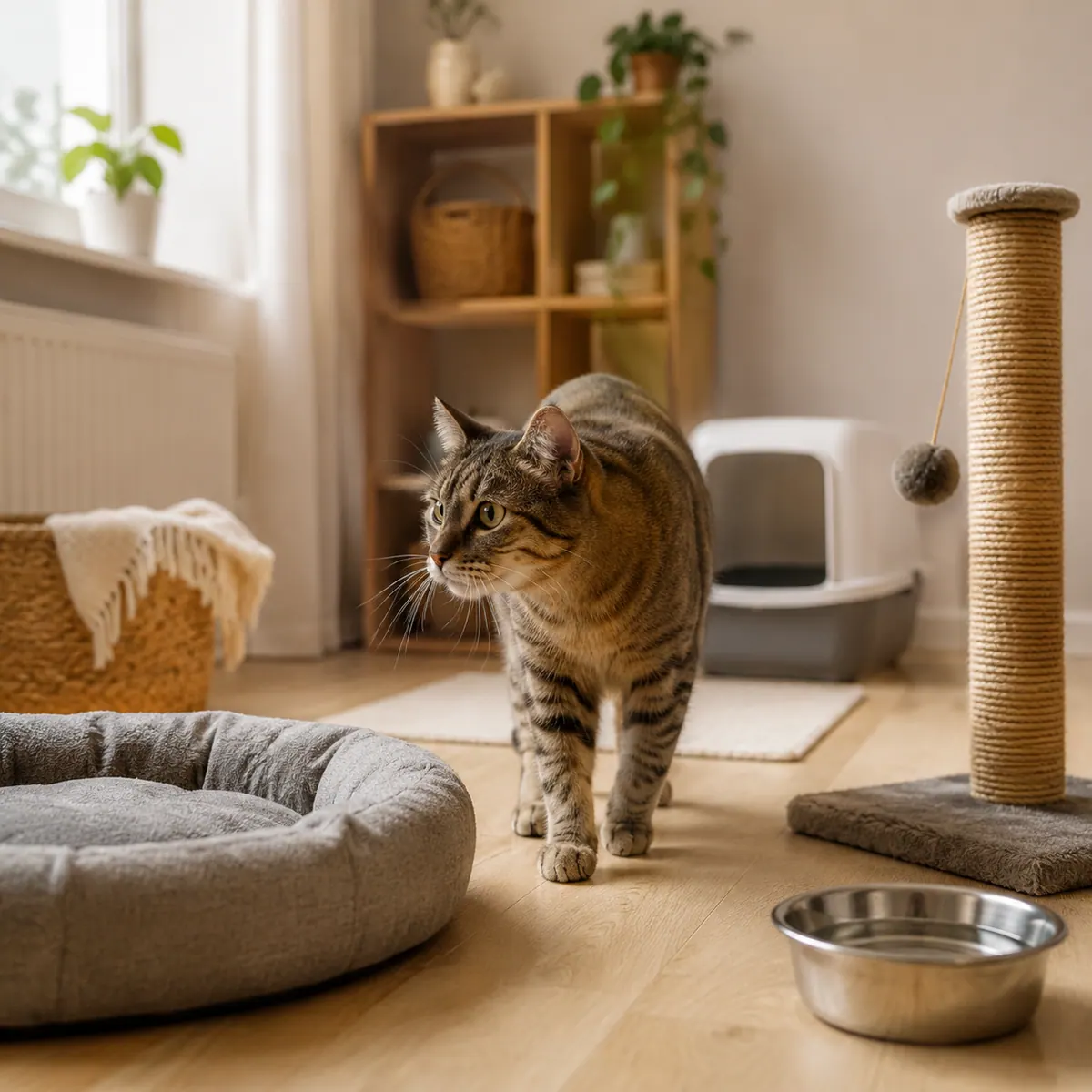
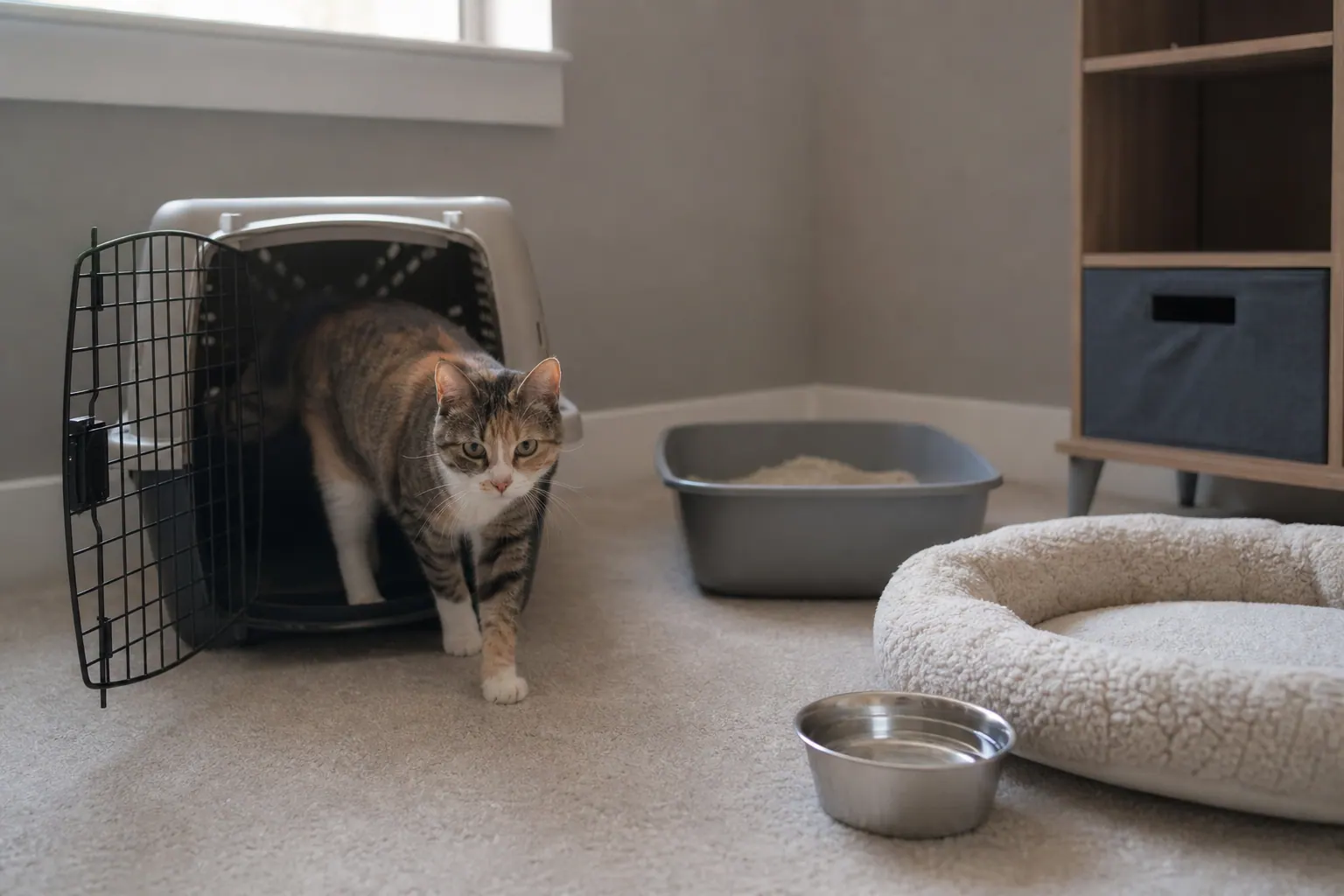
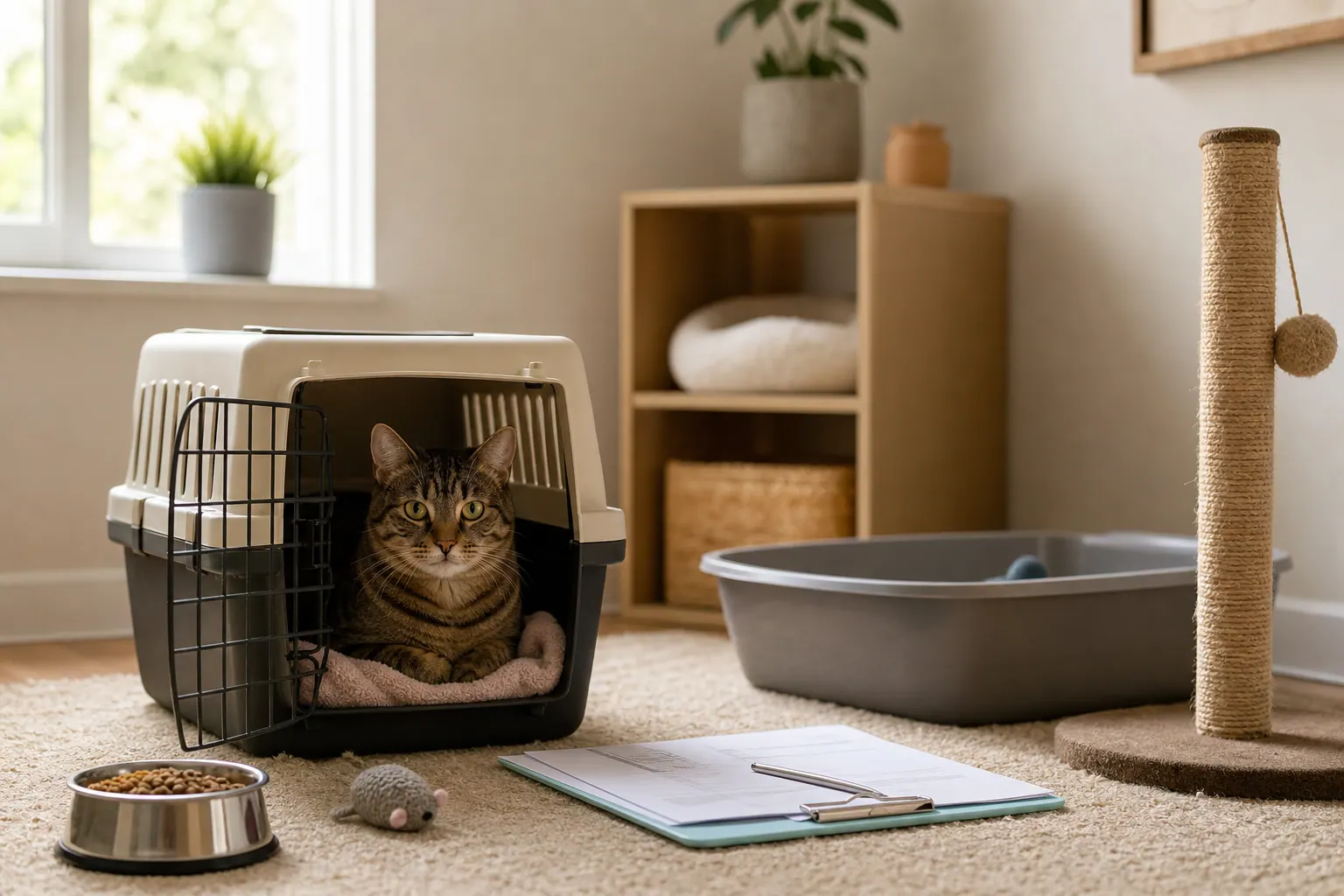
Set up a starter room before pickup. Include food, water, litter box, scratching surface, soft bed, hiding spot, toys, and a carrier. Keep the room quiet during the opening days. Let the cat explore in stages rather than giving access to every room at once. This approach helps the cat learn resources, smells, and routines without feeling lost.
Budget beyond the adoption fee. Food, litter, veterinary care, emergency savings, grooming tools, parasite prevention, pet insurance, toys, carriers, and furniture protection all belong in the plan. ASPCA adoption guidance encourages adopters to think through cost and commitment before bringing a pet home.
Make the final decision
Do not choose only the cat that performs well in a noisy visiting room. Watch recovery from surprise, interest in toys, comfort with gentle approach, and willingness to eat or relax. A foster report may be more useful than a short shelter meeting.
A cat adoption guide is really a relationship guide. The best adoption is not the fastest one. It is the match where the cat's needs and the owner's real life can meet every day. When expectations are clear, adoption becomes less stressful for the cat and more rewarding for the household.
Adopters should also plan the ride home. Use a hard-sided or secure soft carrier, line it with a towel, and keep the trip quiet. Do not open the carrier in the car. At home, carry the cat straight to the starter room and close the door before opening the carrier. This small detail prevents escapes and gives the cat an immediate safe zone.
Think about support before problems appear. Choose a veterinary clinic, save the emergency hospital number, and decide who can care for the cat during travel. If the household has children, write simple rules: quiet voices, no pulling from hiding places, no chasing, and no feeding human food. A good adoption plan protects the cat from confusion during the most sensitive days.
If the home already has pets, adoption planning should include separation and scent exchange. Prepare extra litter boxes, feeding spaces, and resting areas before the new cat arrives. A resident cat or dog should not meet the newcomer at the door. Slow introductions protect both animals and give the adopter time to read stress signals.
Sources: ASPCA https://www.aspca.org/adopt-pet/adoption-tips AAHA/AAFP https://www.aaha.org/resources/2021-aaha-aafp-feline-life-stage-guidelines/