Cat culture and social media grew from a simple truth: cats are expressive without trying to perform. A cat knocking a toy from a table, sitting in a box, staring at a closed door, or claiming a laptop can become a tiny story. Owners who want shareable content should protect the cat's comfort while highlighting real habits, routines, and quirks.
Why cat content spreads
Cat content works since it is easy to recognize. Many owners know the drama of an empty food bowl with food still on the edges. They know the box that beats the expensive bed, the sudden midnight sprint, and the slow blink during a quiet moment. These scenes invite comments since viewers see their own cats in them.
Good content also has a clear emotional shape. A small problem, a funny reaction, and a gentle ending can make a post memorable. The cat does not need to be scared or annoyed. A puzzle feeder, a window perch, a favorite blanket, or a grooming routine can create warm, repeatable content.
Ethical content rules
Do not chase, startle, restrain, or overwhelm a cat for a video. Fear may look dramatic online, but it damages trust. Avoid loud pranks, forced costumes, unsafe props, and risky outdoor scenes. If the cat leaves, the filming ends. If the ears flatten, tail lashes, body stiffens, or pupils widen in a tense room, pause.
Keep safety visible. Show stable cat trees, clean litter areas, safe toys, and respectful handling. This kind of content builds credibility. Viewers may stay longer when they feel they are learning as well as smiling.
Post ideas for cat owners
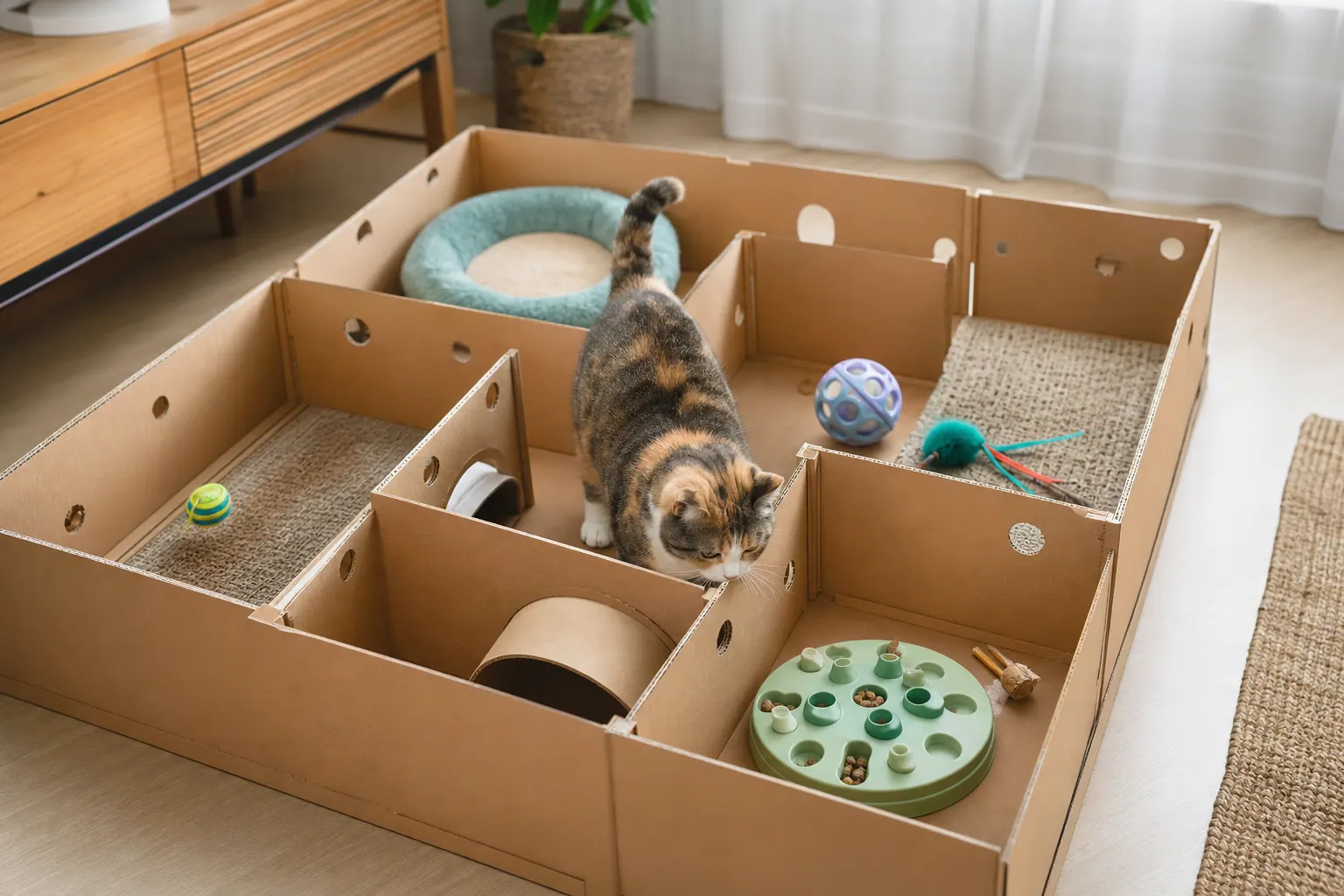
Create a weekly rhythm. Monday can be meal prep or water fountain cleaning. Wednesday can be a toy rotation. Friday can be a cozy reading photo. Weekend posts can show enrichment: box maze, treat hunt, carrier training, or a calm brushing session.
Use captions that invite stories. Ask what weird sleeping spot other cats prefer, which toy wins every week, or how long a cat has ignored a new bed. Keep the tone affectionate. Avoid shaming the cat. The best cat culture and social media posts feel like a shared joke with the animal, not at the animal.
Adoption stories with care
Adoption content can be powerful. Share the starter room, the slow approach, an early toy session, and the day the cat chooses the couch. Leave out shelter drama that is not yours to exploit. Respect medical privacy and avoid making the cat's past the only story.
Cat culture and social media can increase awareness for adoption, enrichment, and daily care. The strongest posts are safe, honest, and specific. They show the cat as a living companion with preferences, boundaries, and a personality worth knowing beyond the clip.
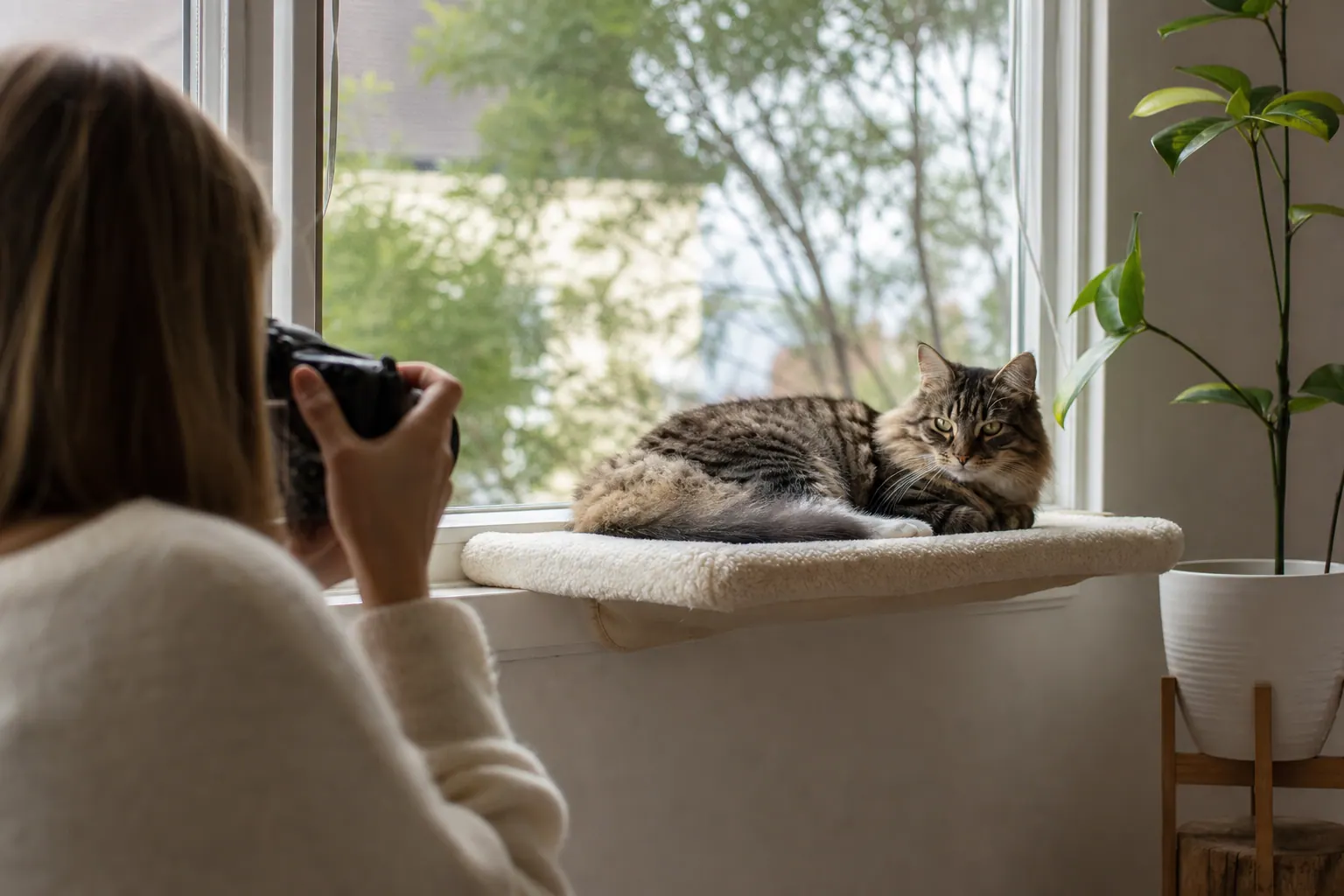
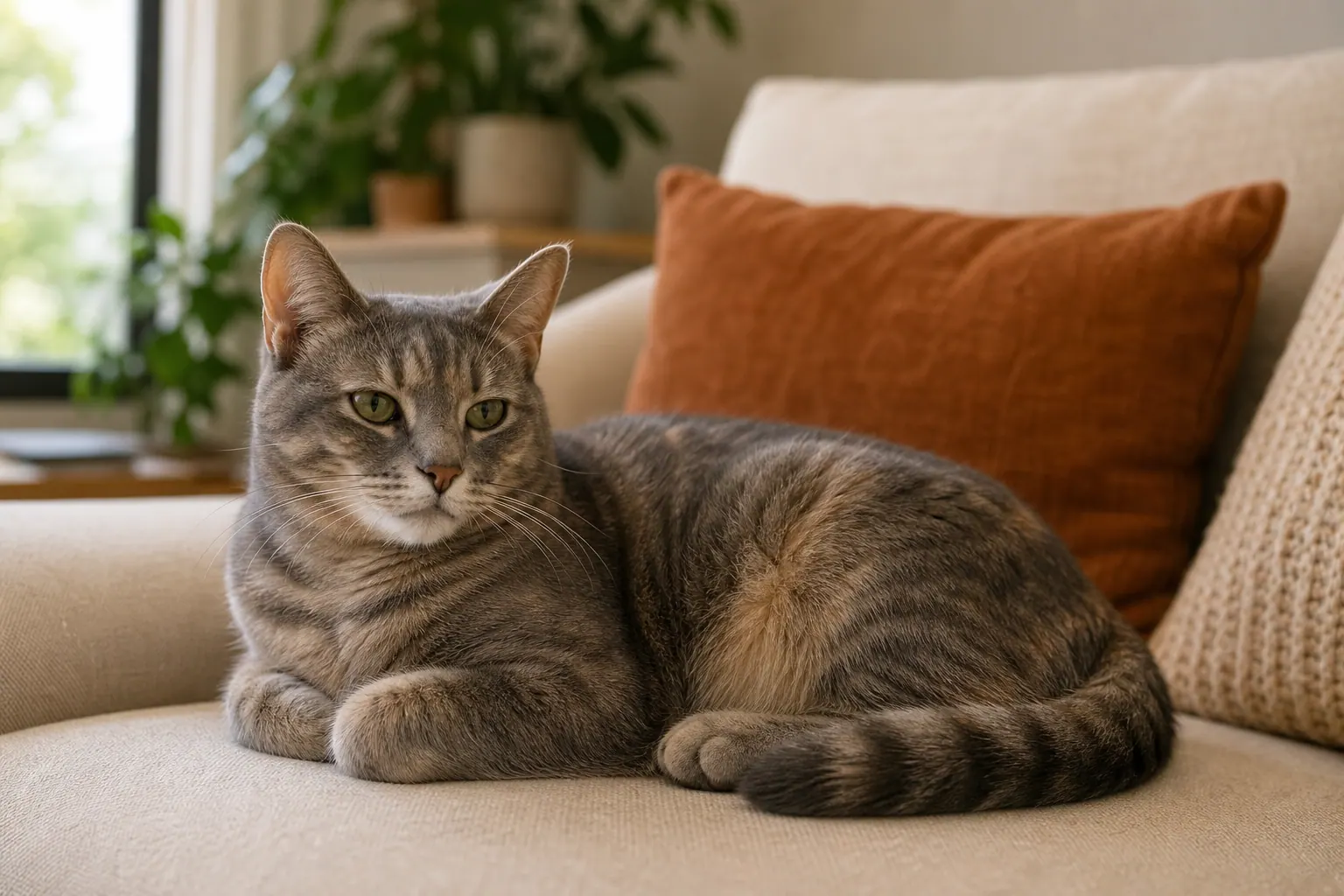
Visual storytelling can stay simple. Use natural light, clean backgrounds, and familiar routines. A cat sleeping in a sun patch may be more appealing than a forced setup. Show hands gently offering a toy, a clean feeding station, or a new perch being inspected. These details make content useful without turning the cat into a prop.
Community posts can also help adoption. Share what the cat likes now: quiet rooms, wand toys, cardboard boxes, soft blankets, or patient visitors. A story framed around growth invites empathy. It also teaches viewers that adoption is a process built from care, not a single reveal moment.
Reusable formats help owners post without staging stress. A monthly favorite toy post, a window watch clip, a meal prep photo, or a cozy reading companion update can build a recognizable series. Viewers return when the cat feels familiar and the content feels kind.
Good captions can teach without sounding strict. Mention why the cat has an escape route, why the toy session ends with a treat, or why the new adoptee is staying in one room. Small explanations make entertainment more useful and may help another owner care better.
A simple content calendar helps too. Rotate care tips, funny habits, adoption updates, and quiet home moments. Variety keeps followers interested while keeping pressure off the cat.
This keeps the account warm without pushing for bigger reactions.
Sources: ASPCA https://www.aspca.org/adopt-pet/adoption-tips AAHA/AAFP https://www.aaha.org/resources/2021-aaha-aafp-feline-life-stage-guidelines/