A cat owner daily routine turns care into a rhythm the cat can trust. Cats often feel safer when meals, litter cleaning, play, rest, and human attention happen in predictable ways. A good routine also makes life easier for the owner. Small habits catch health changes early, reduce mess, support bonding, and create moments worth sharing with friends.
Morning care
Start with food, water, and a quick body check. Offer the planned meal, wash or refresh bowls, and notice appetite. A cat that walks away from a normal breakfast may be stressed, nauseous, painful, or tired. One skipped meal may not tell the full story, but repeated changes deserve attention.
Scoop the litter box and look at what is normal. Very small clumps, very large clumps, diarrhea, blood, straining, or repeated trips can signal trouble. Keep a simple note if anything changes. A photo of the box pattern or stool can help a veterinarian if a problem continues.
Midday enrichment
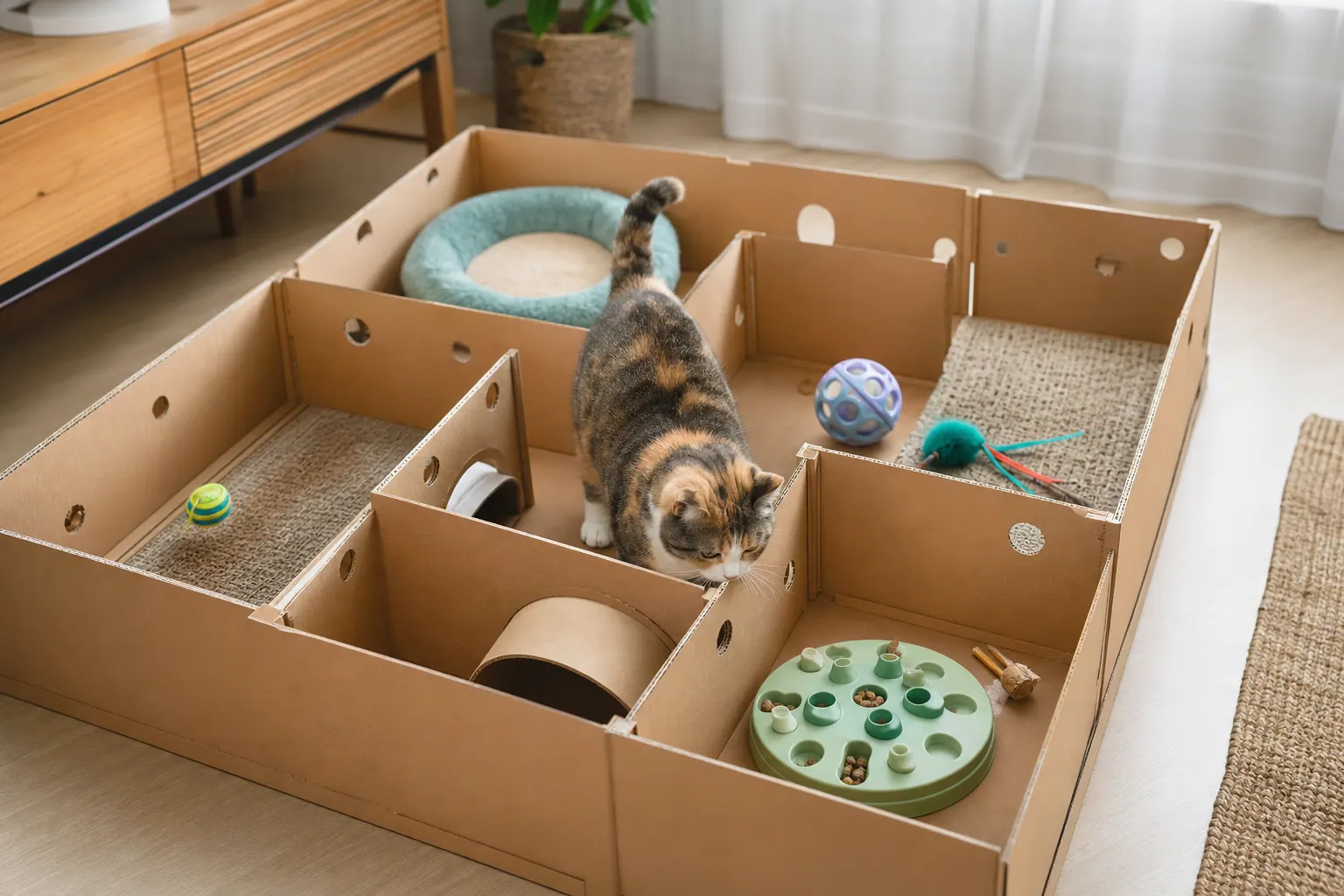
Indoor cats need something to do while people work. Leave a window perch, scratching surface, safe toys, and a puzzle feeder. Rotate toys rather than leaving everything out. A cardboard box, paper tunnel, or treat puzzle can make an ordinary day more interesting.
For homes with social cats, build tiny check-ins. A two-minute wand toy session, a treat scatter, or a short brushing break can lower boredom. For shy cats, the best midday routine may be quiet respect. Let the cat rest without being pulled from hiding spots.
Evening bonding
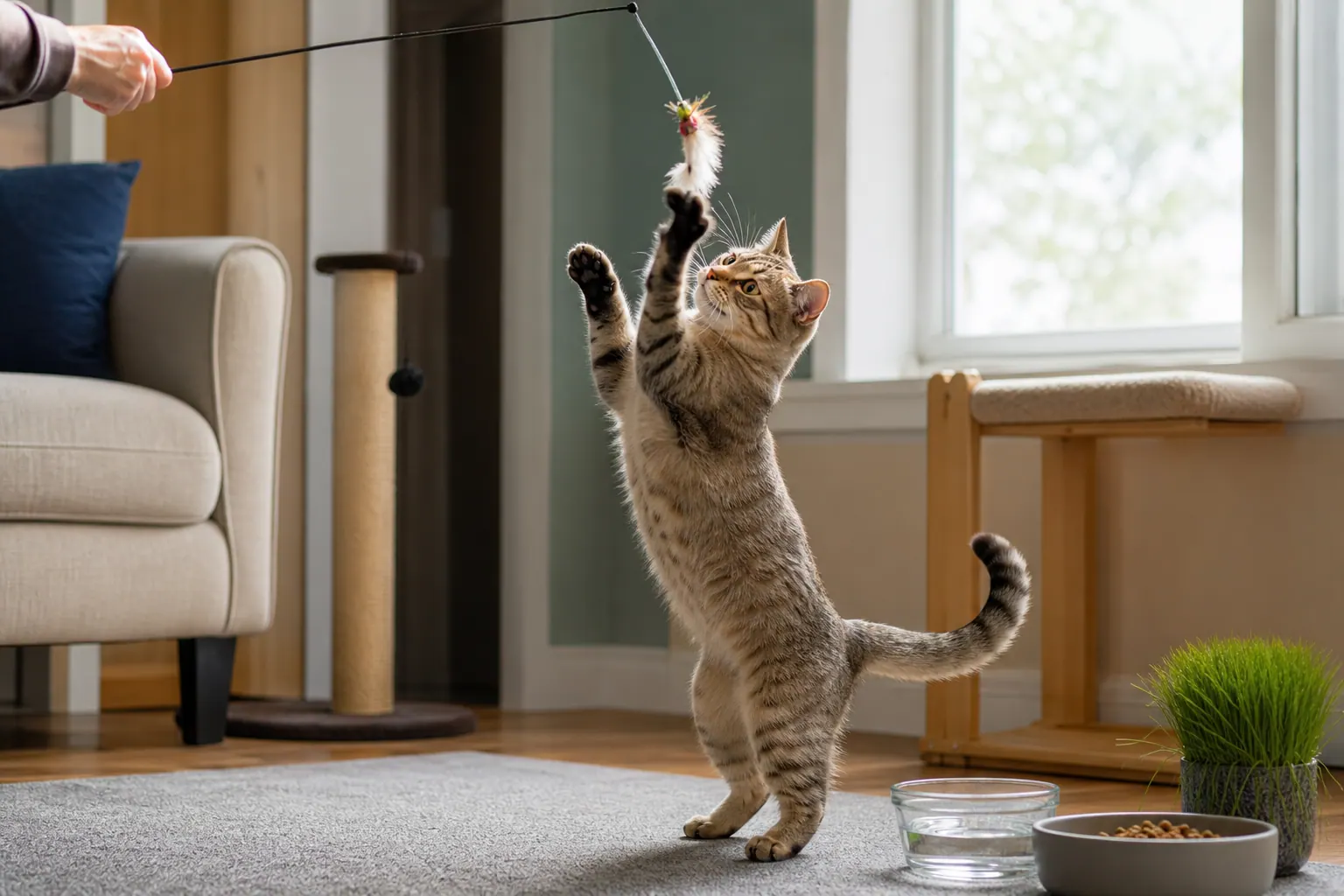
Use evening play to imitate hunting. Move a wand toy like prey, pause behind furniture, let the cat stalk, and end with a small meal or treat. This pattern can help active cats settle overnight. Avoid using hands as toys, since rough play can turn into biting.
Grooming can be part of the evening routine. Brush a few strokes, check claws, look at ears, and reward cooperation. Long-haired cats may need daily combing. Short-haired cats may need less, but coat checks still reveal lumps, dandruff, fleas, or sore areas.
Make care shareable
Cat lifestyle content works best when it respects the cat. Share a puzzle feeder win, a cozy reading companion, a grooming routine, or a before-and-after safe room setup. Avoid forcing costumes, loud reactions, or stressful poses. The most engaging cat content often shows real personality: a stretch, a slow blink, a favorite perch, or a tiny daily ritual.
The cat owner daily routine should stay realistic. Five reliable habits beat a perfect plan that collapses after a week: feed intentionally, refresh water, scoop litter, play, and watch changes. That routine creates a cleaner home, a calmer cat, and a story that grows day by day.
Weekly habits keep the daily routine from becoming cluttered. Wash bedding, check toys for loose parts, clean the carrier, inspect scratching posts, and review food supplies. Look at the cat's body shape and coat while grooming. Slow weight gain or loss can be hard to see day by day, but weekly attention helps.
Lifestyle also includes the owner's comfort. Put litter supplies where scooping is easy. Keep a brush near the sofa if the cat enjoys evening grooming. Store treats in a closed container near the training spot. When care tools live where routines happen, the owner is more likely to keep the habit.
Routine does not mean every day must look identical. The goal is a reliable structure with room for personality. Some cats want morning play. Some prefer evening brushing. Some enjoy watching chores from a perch. Adjust the routine around what keeps the cat relaxed, active, and connected.
For owners who like planning, divide tasks into daily, weekly, and monthly lists. Daily: food, water, litter, play. Weekly: bedding, grooming tools, toy safety. Monthly: weight check, supply review, carrier practice. This structure keeps care manageable and gives the cat steady support.
The routine should also protect rest. Cats need long sleep periods, and constant attention can create stress. Respecting naps is part of good care.
A calm home routine is part of the bond, not just a checklist.
Consistency helps.
Sources: AAHA/AAFP https://www.aaha.org/resources/2021-aaha-aafp-feline-life-stage-guidelines/ ASPCA https://www.aspca.org/adopt-pet/adoption-tips