Kitten adult senior cat care changes as the body, behavior, and daily rhythm of a cat change. A kitten needs safe exploration, growth nutrition, and patient training. An adult cat needs weight control, enrichment, dental attention, and stable routines. A senior cat needs closer monitoring, easy access to resources, and faster response when habits shift. Age-based care helps owners give support before small problems become large ones.
Kitten care for safe growth
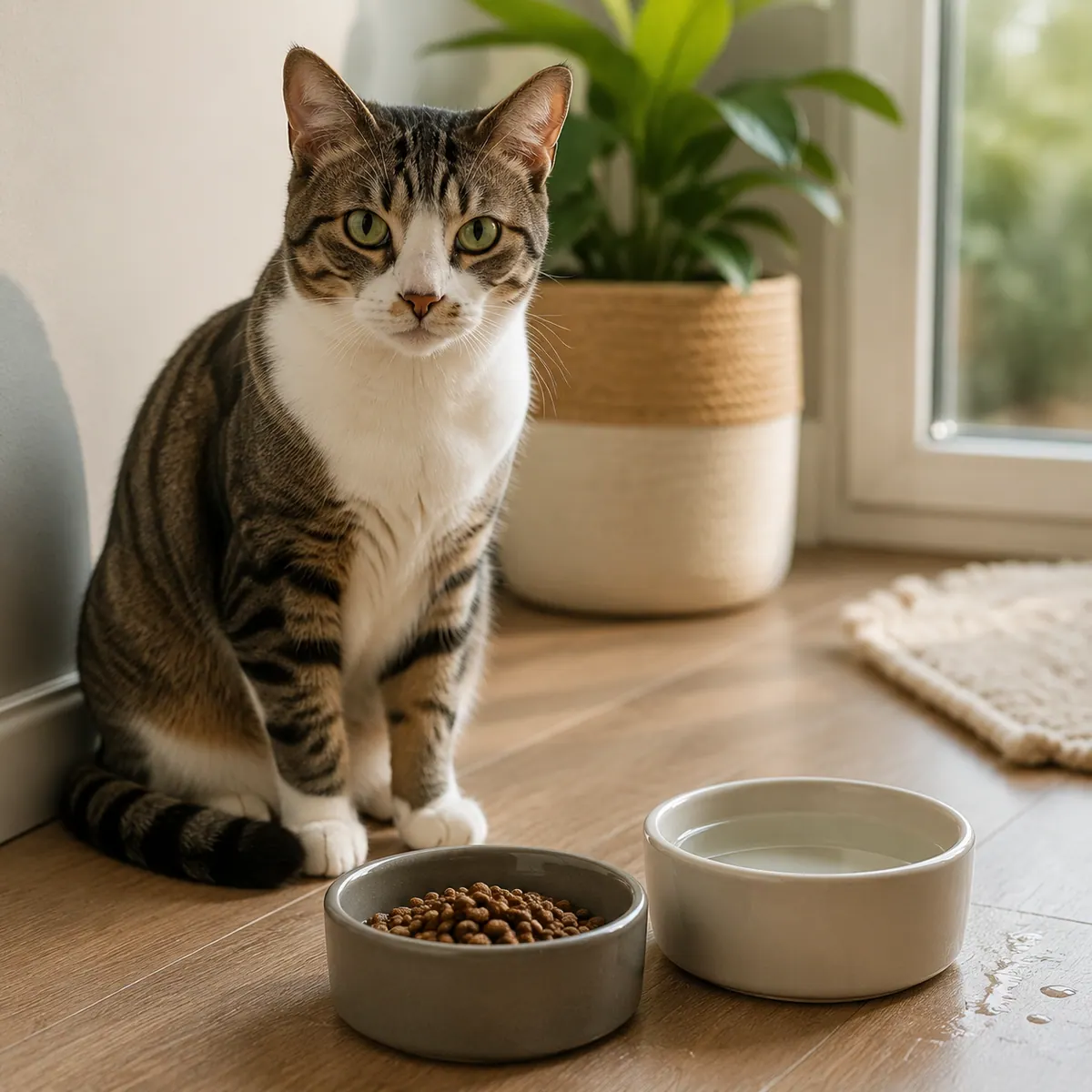
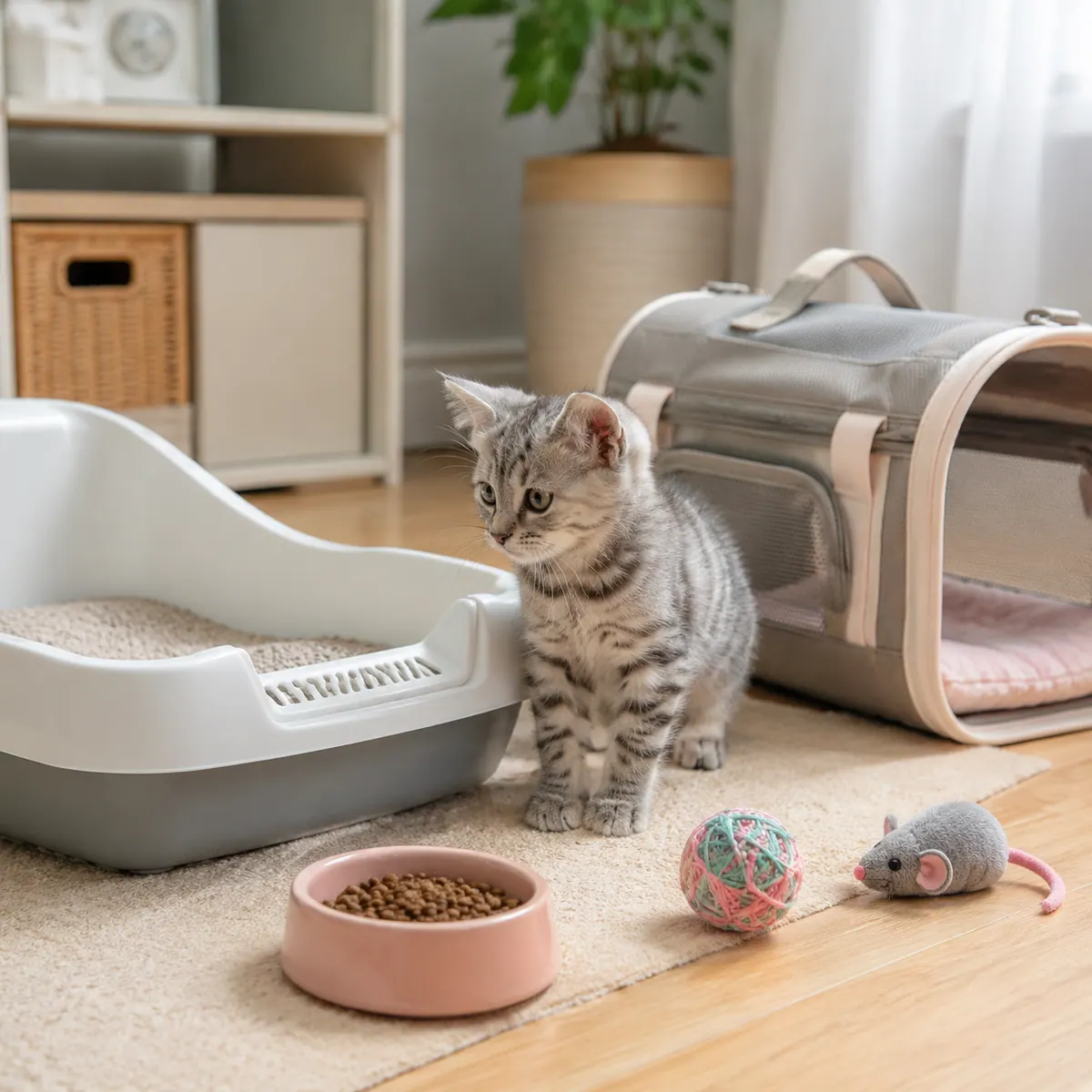
Kittens are curious, fast, and fragile. Their room should be checked for cords, string, toxic plants, tiny objects, open toilets, windows, dryers, recliners, and gaps behind appliances. Use low litter boxes that are easy to enter. Keep food and water nearby, but away from the box. Offer small meals of kitten food labeled complete and balanced for growth, and ask a veterinarian how often to feed based on age and body condition.
Social learning matters during kittenhood. Handle paws, ears, mouth, and carrier time in short sessions with rewards. This makes future nail trims, brushing, tooth care, and vet visits less stressful. Use toys instead of hands during play. A kitten that bites fingers during games may continue that habit as an adult. Wand toys, soft balls, tunnels, and climbing surfaces let the kitten practice hunting skills safely.
The carrier should become part of ordinary life. Leave it open with a soft towel inside, feed treats near it, and place familiar bedding in it. A kitten that views the carrier as a resting spot is easier to transport for vaccine visits and urgent care. Gentle routine also supports learning around the litter box. Keep boxes easy to find and clean, and avoid sudden litter changes while the kitten is still settling.
Adult cat care for stable health
Adult cats often look easy to maintain, yet this stage is where long-term habits form. Feed measured portions rather than guessing. Track body shape, not only weight. Cornell describes body condition scoring as a way to assess fat cover and body form. Ribs should be felt under a light fat layer, and a waist should be visible from above in many healthy cats. Ask the veterinary team to help set a target weight and feeding plan.
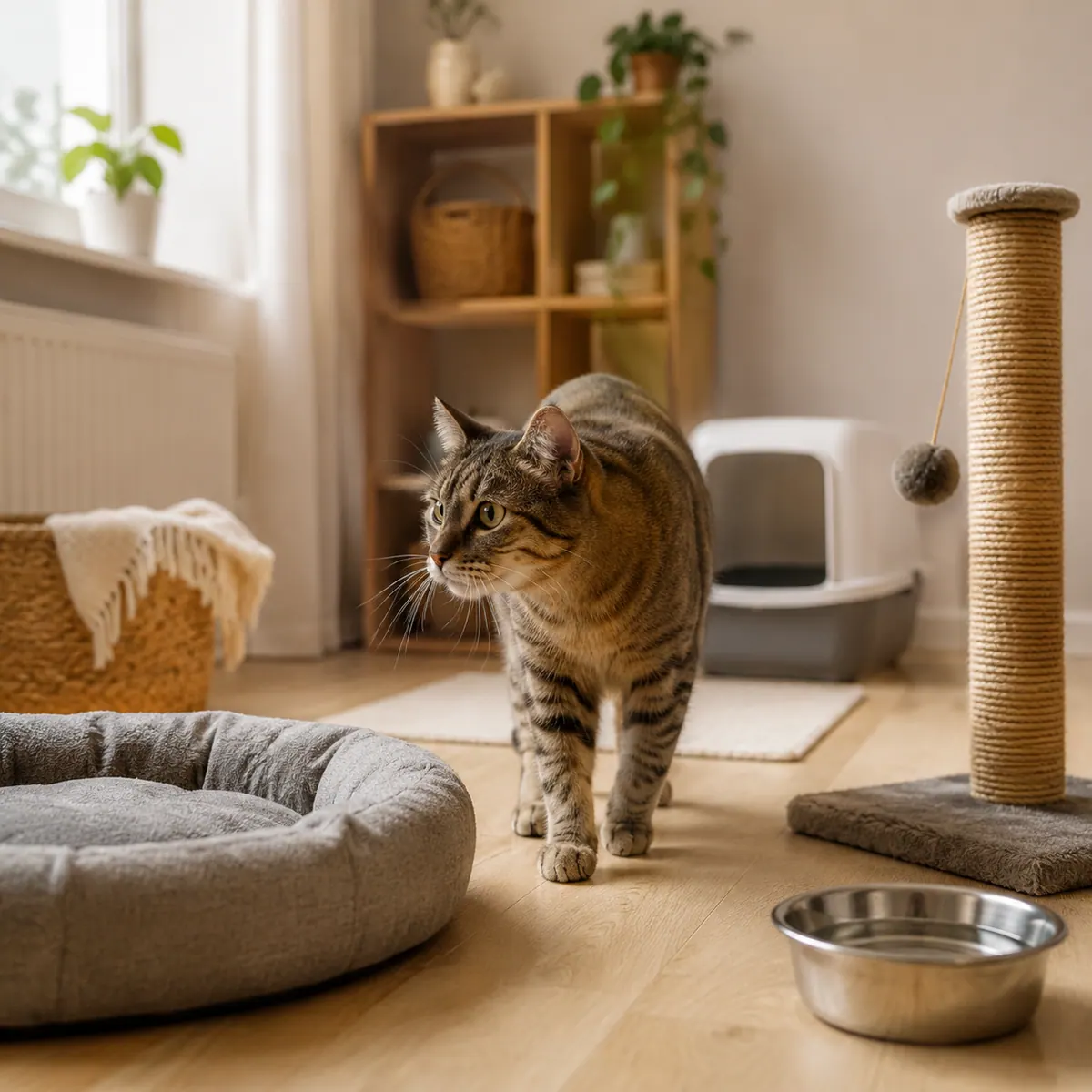
Adult cats need play and environmental choice. Provide scratching posts, elevated resting spots, hiding spaces, and at least one quiet litter area. Multi-cat homes need enough resources that one cat cannot guard everything. Watch for subtle stress signs such as hiding, overgrooming, appetite changes, or house soiling. Dental care should also begin during adulthood. Cornell reports that dental disease is common in cats older than four years, and regular monitoring can reduce pain and eating trouble.
Senior cat care with closer observation
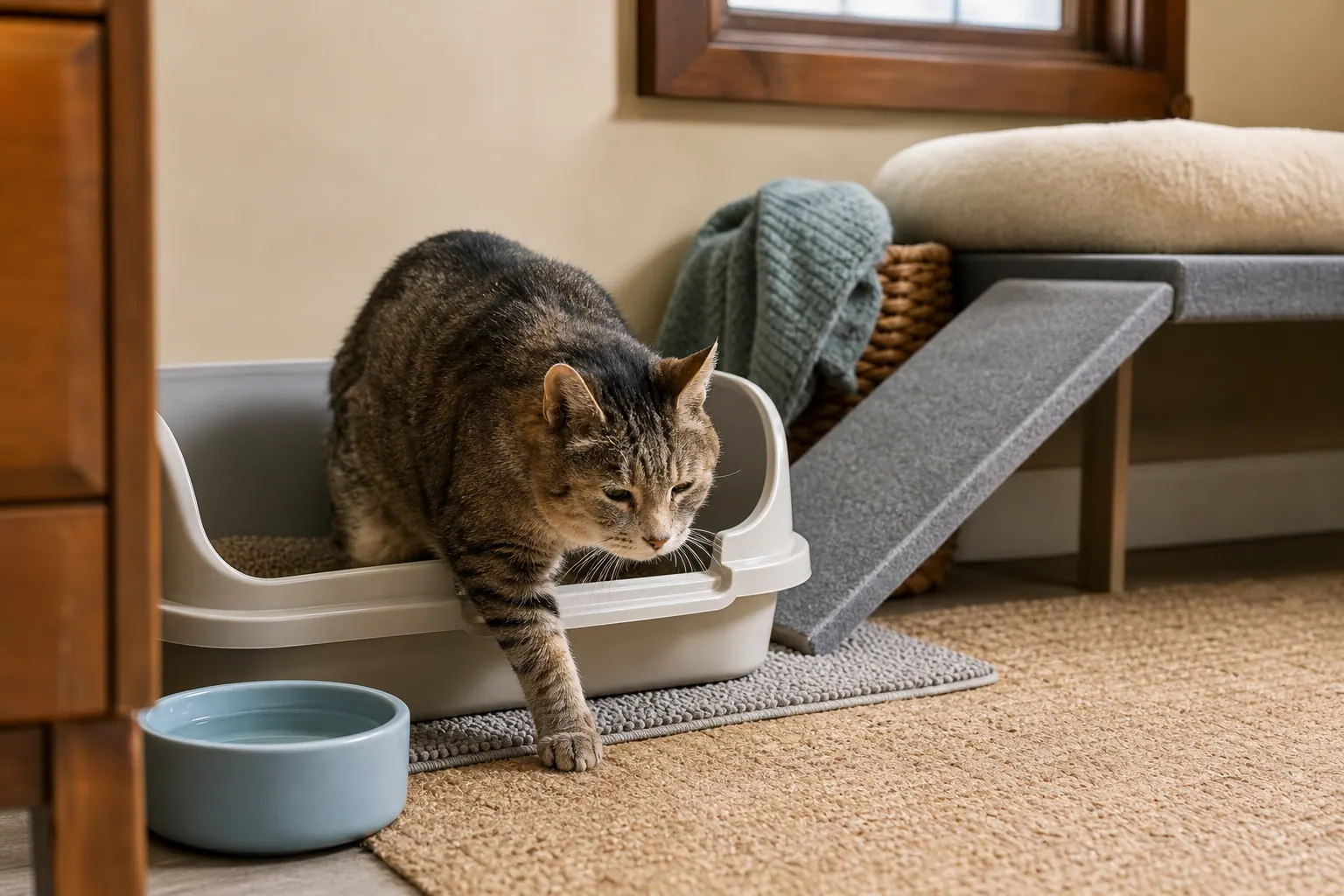
Senior cats may sleep more, jump less, groom less thoroughly, or change food preferences. These changes should not be dismissed as age alone. Joint pain, dental disease, kidney disease, thyroid disease, diabetes, vision changes, and cognitive decline can alter daily routines. Place ramps or steps near favorite resting spots. Use low-entry litter boxes. Keep food, water, and resting places on the same level if stairs become difficult.
Hydration deserves extra attention. Cornell notes that a ten-pound cat may need about one cup of water per day, with wet food contributing water to the total. Senior cats can be vulnerable to dehydration when illness, dental pain, or mobility problems reduce intake. Track water drinking, urine volume, appetite, stool, coat quality, and weight. A small notebook or phone note can reveal patterns.
Veterinary care by life stage
Kittens need vaccine planning, parasite prevention, growth checks, and spay or neuter guidance. Adults need wellness visits, dental checks, weight review, and behavior support. Seniors often benefit from more frequent exams and lab screening. The care plan should change with the cat in front of you. Kitten adult senior cat care is not a single checklist. It is a habit of noticing what the cat can do today, what has changed, and what support will keep life comfortable.
Owners can make every stage easier by keeping simple records. Note food brand, daily portion, treats, medication, weight, litter patterns, and behavior changes. Photos of body shape taken monthly can reveal gradual gain or loss. A short video of walking, jumping, or grooming can help the veterinarian assess discomfort. Kitten adult senior cat care grows more accurate when the owner can describe real changes rather than relying on memory alone.
Sources: Cornell Feline Health Center https://www.vet.cornell.edu/departments-centers-and-institutes/cornell-feline-health-center/health-information/feline-health-topics/choosing-and-caring-your-new-cat Cornell Feline Health Center https://www.vet.cornell.edu/departments-centers-and-institutes/cornell-feline-health-center/health-information/feline-health-topics/loving-care-older-cats Cornell Feline Health Center https://www.vet.cornell.edu/departments-centers-and-institutes/cornell-feline-health-center/health-information/feline-health-topics/hydration