A litter box training guide should start with comfort, not punishment. Most kittens and many adult cats already have a strong instinct to dig and cover waste. Trouble begins when the box feels unsafe, dirty, painful, hard to reach, or linked to household stress. For a new owner, the practical goal is simple: make the correct place easy, clean, quiet, and predictable.
Set up the right box
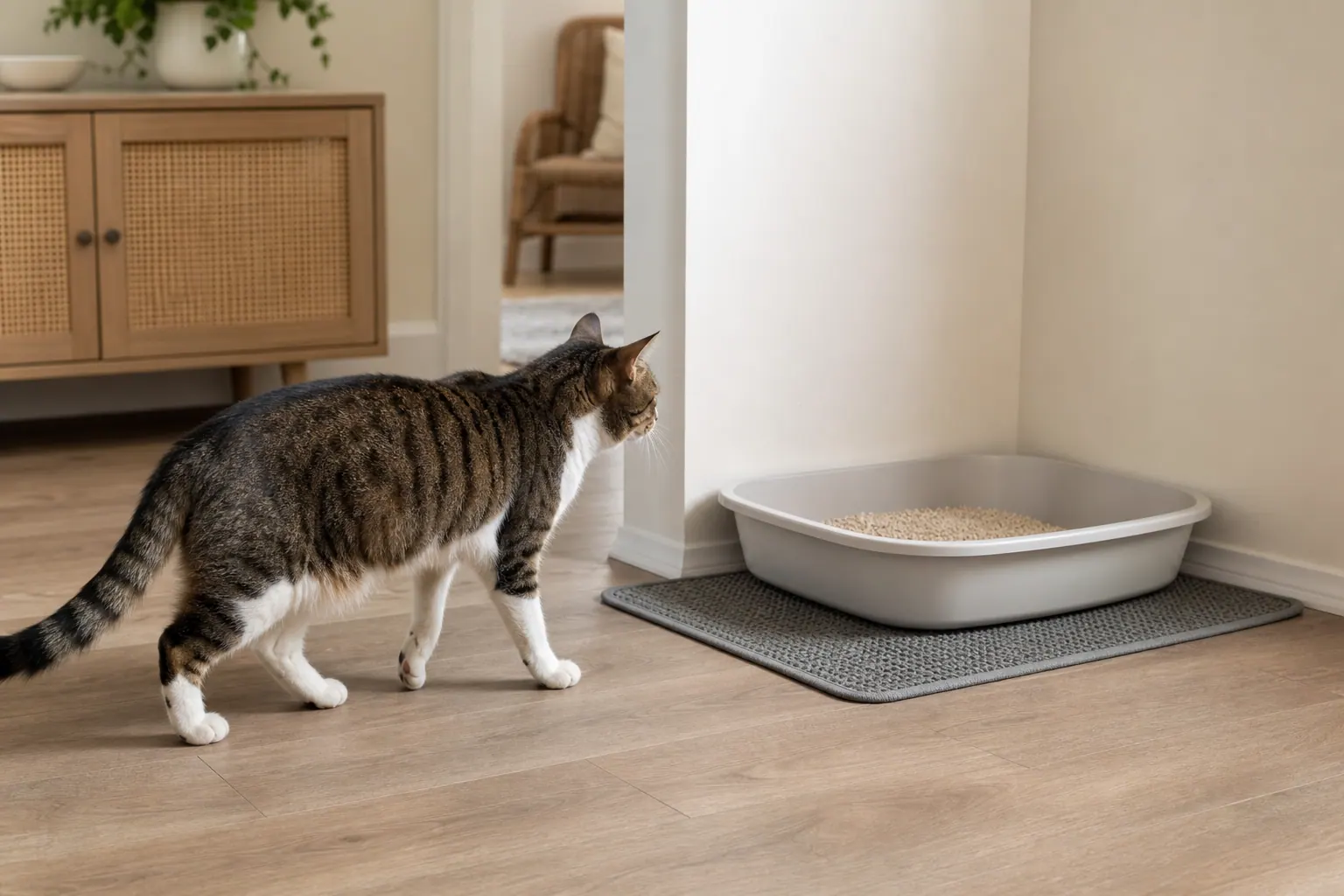
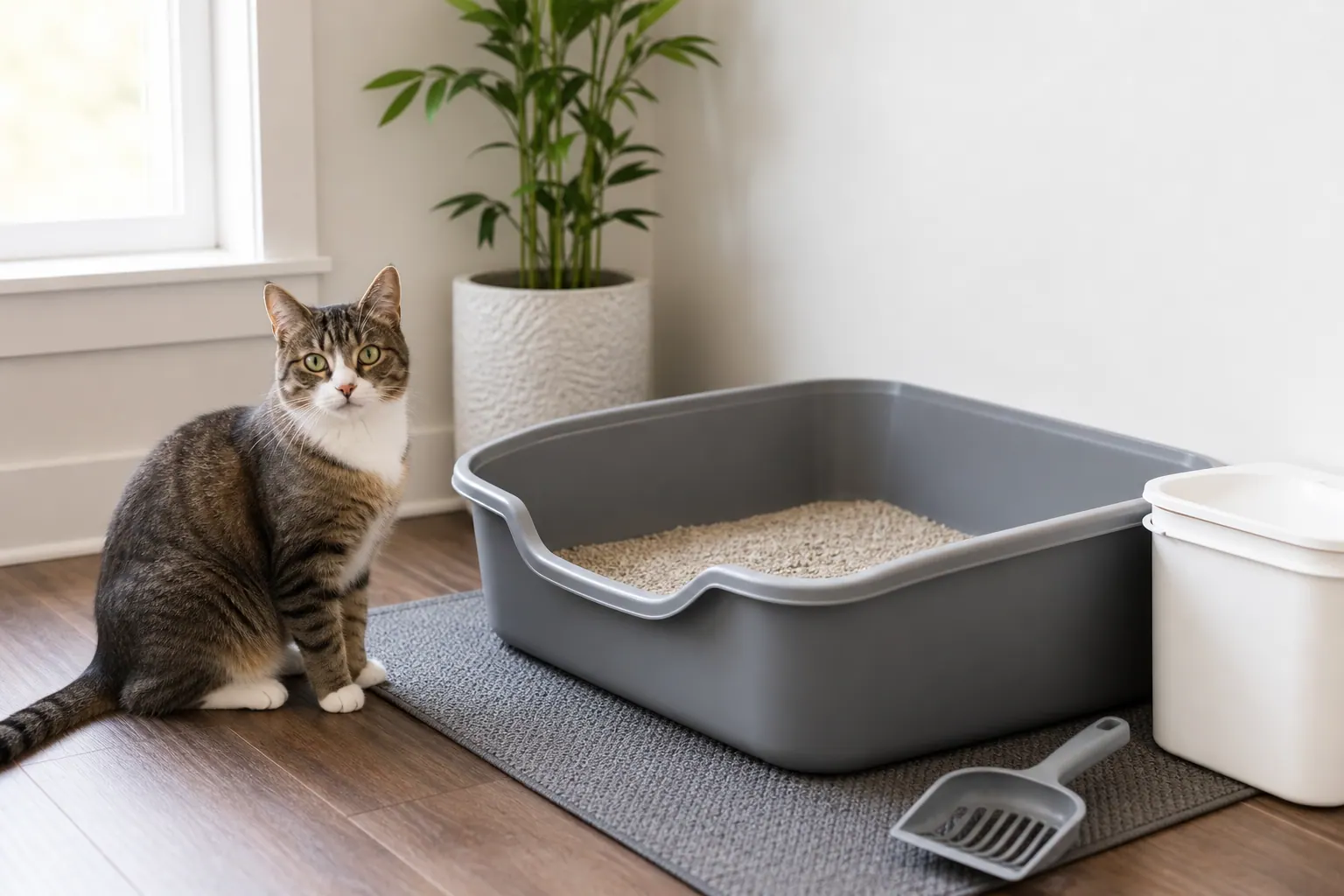
Choose a box large enough for the cat to enter, turn, dig, and cover. Low sides help kittens, senior cats, and cats with sore joints. High sides can reduce scatter for active diggers, but the entry still needs to be easy. Start with unscented clumping litter unless the cat already has a known preference. Strong perfume may please people while driving a cat away.
Place the box in a quiet area with an escape route. Avoid loud machines, tight closets, blocked corners, and spots beside food or water. In a larger home, use more than one location. In a multi-cat home, spread boxes across different rooms. A cat should not need to pass another cat, dog, or busy hallway to use the box.
Train kittens and new cats
Bring a new cat to the litter area after arrival, after meals, and after naps. Do not hold the paws and force digging. Let the cat investigate. Praise calm use and keep the area clean. During the opening days, a small starter room helps the cat learn the location without searching a whole home.
If accidents happen, clean with an enzymatic cleaner made for pet urine. Regular soap may leave scent that cats can still detect. Avoid yelling, rubbing the nose in waste, or chasing the cat. Fear can make box avoidance worse and damage trust.
Retrain after accidents
When a trained cat starts missing the box, call a veterinarian. The Spruce Pets notes that urinary tract problems, diabetes, kidney disease, constipation, arthritis, and dementia can affect litter habits. Straining, repeated trips, blood, crying, or no urine output needs urgent care.
If the cat is healthy, audit the environment. Scoop daily, wash boxes regularly, add a box, change location, or offer another litter type beside the old one. Keep changes small enough that the cat can choose. If the cat uses one box style and avoids another, the preference is useful information.
Reduce stress around the box
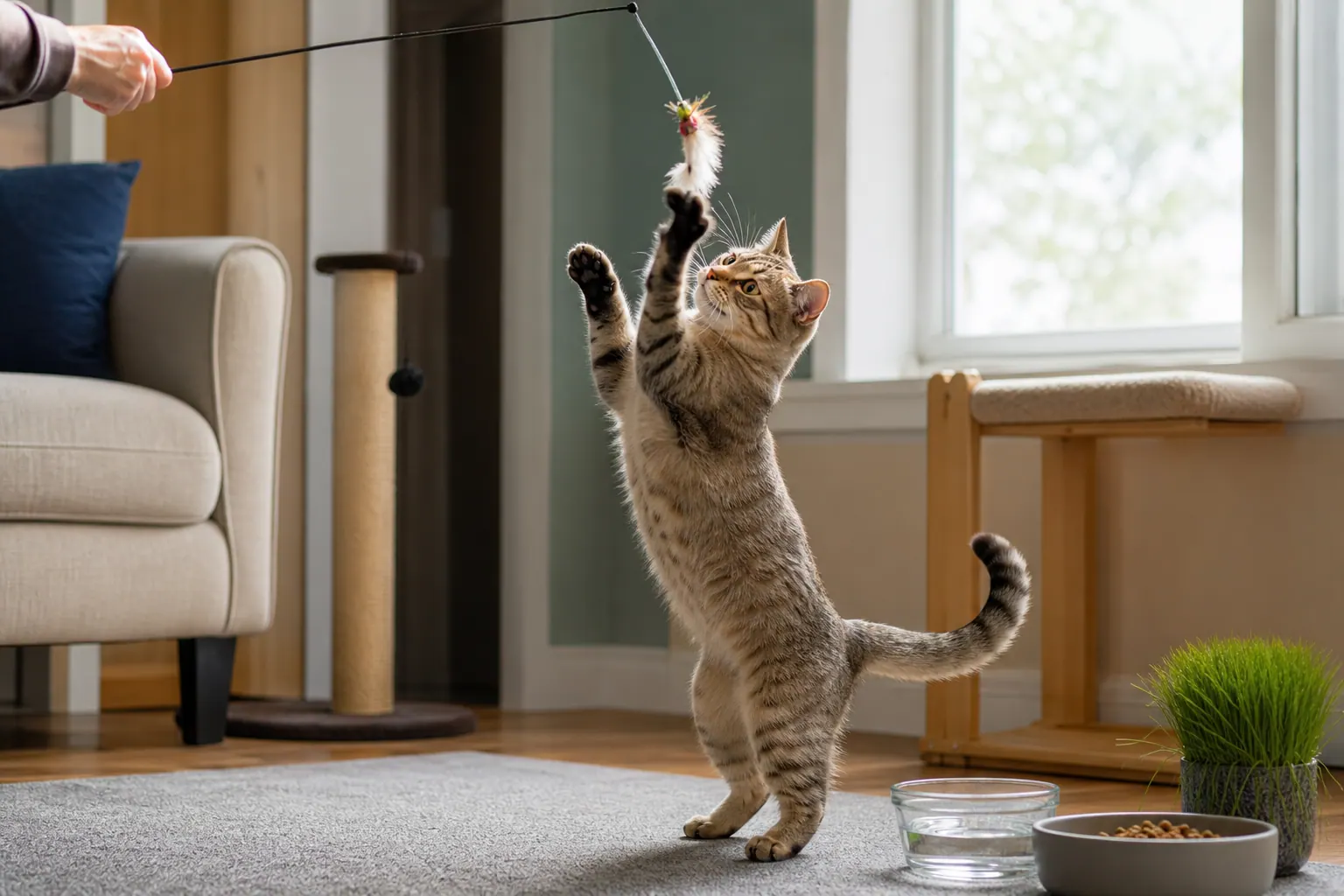
Cats may avoid a box after being startled, trapped, or blocked. Keep dogs and children away from the area. Give shy cats covered hiding spots near main living spaces, not only under beds. Use interactive play to lower tension. Predictable meals and quiet routines can also help.
A litter box training guide works when it respects feline needs. The box is not only a bathroom. It is a safety test. When the box is clean, reachable, private enough, and pain-free to use, many cats return to reliable habits. If accidents continue, a veterinarian or qualified behavior professional can help build a step-by-step plan.
Track progress without emotion. Note the date, box used, accident location, cleaning product, litter type, and household events. Patterns may show that accidents follow visitors, a closed door, a dirty box, or a loud appliance. Move slowly when making changes. Replace only one variable at a time, and give the cat several days to respond unless health signs demand urgent care.
For kittens, keep expectations fair. Small bodies need nearby boxes, and play can distract them until the need is urgent. Place boxes close to sleeping and play zones. For senior cats, arthritis may make stairs or high box sides painful. A low-entry box on the same level as the cat's favorite room can solve a problem that looked like training failure.
Owners should also protect access during busy hours. Keep laundry baskets, baby gates, and closed doors from blocking the route. If the cat uses one room most often, that room may need its own box during retraining.
If the home has more than one floor, place boxes on each level during training. A kitten, senior cat, or anxious cat may not travel far when the need is urgent. Convenience is part of training, not an indulgence.
Sources: AAHA/AAFP https://www.aaha.org/resources/2021-aaha-aafp-feline-life-stage-guidelines/ The Spruce Pets https://www.thesprucepets.com/how-to-solve-cat-litter-box-behavioral-issues-5190151